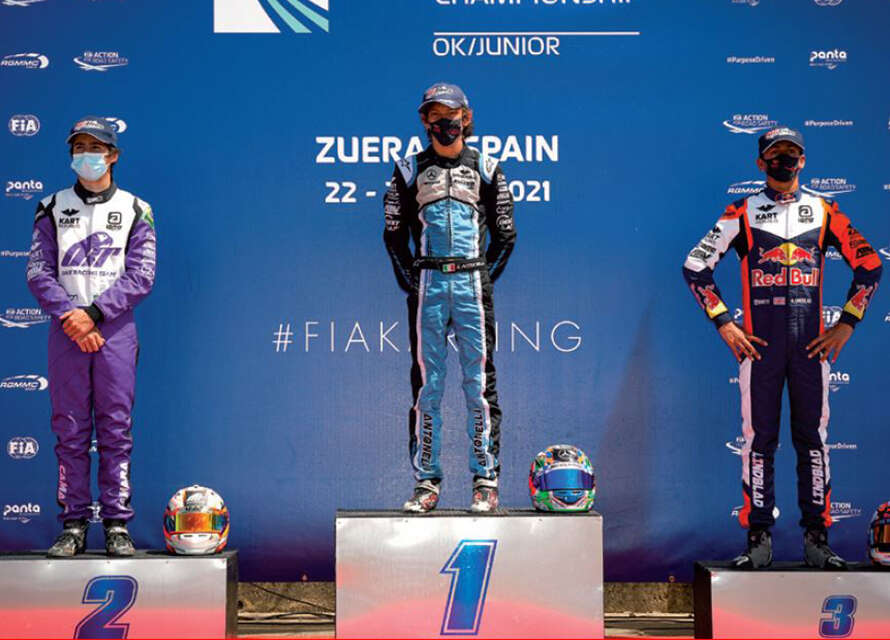

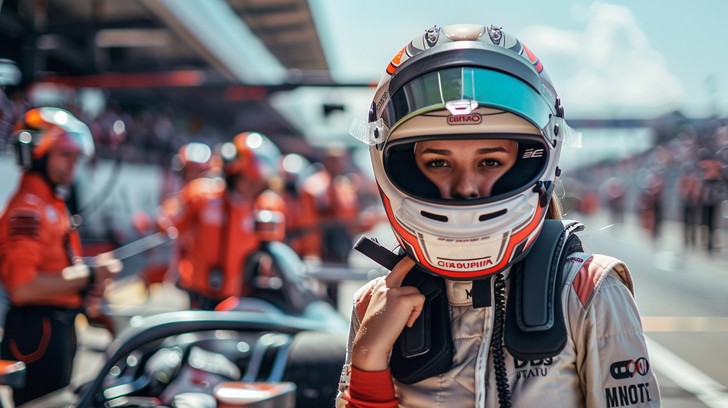
When people watch professional motorsport, it is easy to believe that success comes down to one thing: speed. A driver crosses the finish line first, takes the trophy, and appears to have achieved victory through natural talent alone.
In reality, professional racing is far more complex. The fastest drivers are not simply the ones who can push a car to its limits. They are athletes, technicians, strategists, and students of their craft. Becoming a successful racing driver requires years of preparation, physical conditioning, technical understanding, mental strength, and the discipline to improve every day.
Speed may open the door, but the skills behind that speed are what create champions.
More Than Fast: The True Requirements of a Professional Driver
A racing driver must control a machine capable of incredible performance while making hundreds of decisions in a matter of seconds. Every braking point, steering input, tire-saving decision, and strategic choice can influence the final result.
Professional drivers develop a wide range of abilities, including:
- Vehicle control
- Race strategy awareness
- Physical fitness
- Technical communication
- Mental focus
- Consistency under pressure
- Adaptability
A driver who relies only on natural ability will eventually reach a limit. The best competitors continue developing long after they become successful.
The Foundation: Mastering Car Control

Every great driver begins with a deep understanding of how a vehicle behaves. Before focusing on lap times, drivers must learn the fundamentals of controlling a racing machine.
This includes understanding:
- How weight moves during acceleration and braking
- How tires react to different conditions
- How to find the ideal racing line
- How to manage grip levels
- How to maximize corner exit speed
Small details make enormous differences in motorsport. A driver who brakes slightly too early or accelerates too aggressively may lose valuable time throughout an entire lap.
Precision Over Aggression
Many people assume racing is about constantly pushing harder. In professional competition, the opposite is often true.
The fastest drivers understand when to use maximum performance and when to protect their equipment. They know that a perfect lap is not always the most aggressive lap.
Precision allows drivers to:
- Preserve tires
- Avoid mistakes
- Maintain consistency
- Adapt to changing conditions
Championships are often won through controlled performance rather than occasional moments of brilliance.
Physical Fitness: The Athlete Inside the Helmet
A professional racing driver is an elite athlete. Although drivers sit inside a car, the physical demands of racing are intense.
During a race, drivers experience:
- High temperatures
- Strong forces during braking and cornering
- Continuous vibration
- Extreme concentration requirements
- Long periods of physical tension
Without proper fitness, performance can decline as fatigue increases.
Strength and Endurance Training
Driver fitness programs are designed specifically for motorsport. Traditional athletic training is combined with exercises that improve racing performance.
Important areas include:
Neck Strength
The neck muscles experience significant stress during high-speed cornering and braking. Strong neck muscles help drivers maintain control and reduce fatigue.
Core Stability
A strong core improves body control and helps drivers remain stable during aggressive driving conditions.
Cardiovascular Fitness
High heart rates are common during races. Good endurance allows drivers to maintain concentration from the start of the race until the final lap.
Technical Understanding: Becoming One With the Machine
Modern racing drivers cannot simply drive and rely on engineers to handle everything. They must understand the technology behind their vehicles.
A professional driver needs knowledge of:
- Aerodynamics
- Tire behavior
- Suspension settings
- Engine or power system characteristics
- Data analysis
- Vehicle balance
This technical understanding helps drivers communicate effectively with their teams.
The Driver as a Source of Data
Sensors can measure thousands of details about a car’s performance, but the driver provides information that technology cannot fully replace.
A driver can explain:
- Where the car feels unstable
- How grip changes during a session
- Whether the balance feels predictable
- How the tires behave over a race distance
This feedback helps engineers make adjustments that improve performance.
Consistency: The Skill That Creates Champions
Raw speed may win individual races, but consistency wins championships.
Professional drivers must perform at a high level repeatedly, even when conditions are difficult.
Consistency requires:
- Strong preparation
- Emotional control
- Attention to detail
- Understanding of race situations
- The ability to avoid unnecessary mistakes
A driver who can deliver competitive results every weekend becomes far more valuable than one who is occasionally brilliant but unpredictable.
Learning From Every Lap
Elite drivers constantly analyze their performances. After each session, they review data, study mistakes, and search for improvements.
They examine:
- Braking points
- Corner speeds
- Tire usage
- Race decisions
- Comparisons with teammates
Improvement is an ongoing process. Even the best drivers in the world continue searching for small advantages.
Mental Preparation: Winning the Battle Inside the Mind
Motorsport is physically demanding, but the mental challenge can be just as difficult.
Drivers must make fast decisions while dealing with:
- Pressure from competition
- Expectations from teams and fans
- Unexpected problems
- High-risk situations
Mental preparation helps drivers remain calm and focused.
The Importance of Focus
A race can last for hours, but a single moment of lost concentration can change everything.
Professional drivers train their ability to:
- Maintain attention
- Recover from mistakes quickly
- Ignore distractions
- Stay confident under pressure
Mental strength allows drivers to perform when the stakes are highest.
Simulator Training: Improving Before the Race Weekend
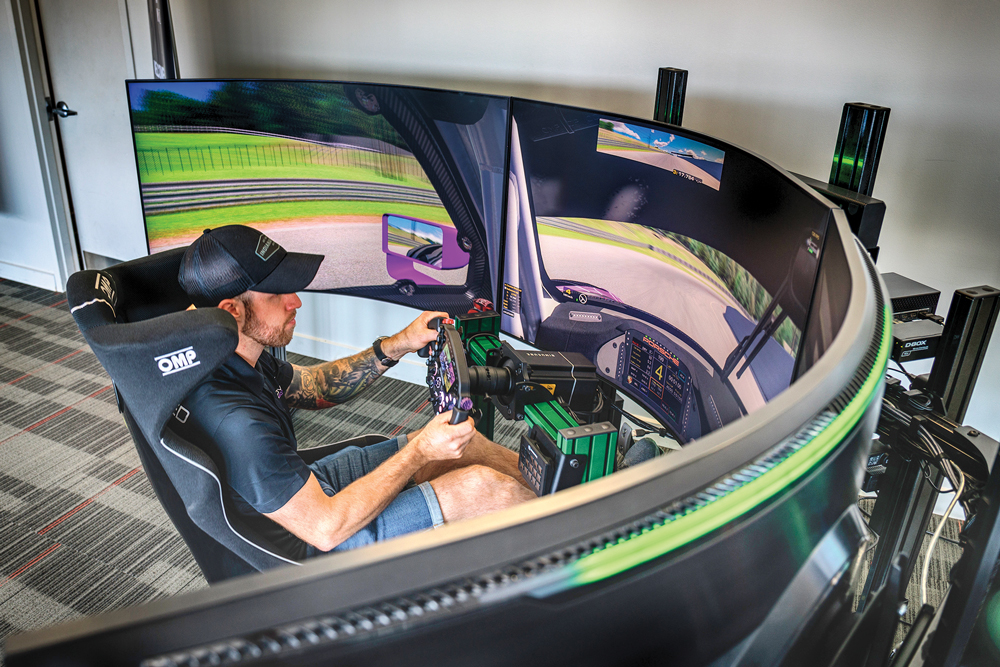
Technology has become a major part of driver development. Professional simulators allow drivers to practice circuits, test setups, and prepare for different scenarios.
Simulator sessions help drivers improve:
- Track knowledge
- Decision-making
- Race strategies
- Technical feedback
- Consistency
They also allow teams to prepare for challenges before arriving at the circuit.
A simulator cannot perfectly recreate real racing, but it provides valuable preparation and learning opportunities.
Discipline: The Daily Work Behind Success
The public sees race victories, podium celebrations, and championship moments. They rarely see the daily routine required to reach that level.
Professional drivers dedicate significant time to:
- Training sessions
- Simulator practice
- Technical meetings
- Fitness programs
- Data analysis
- Media responsibilities
Success requires discipline even when there is no immediate reward.
Building Professional Habits
The best drivers develop habits that support long-term improvement:
- Preparing thoroughly before every event
- Reviewing performance honestly
- Maintaining physical fitness
- Studying competitors
- Continuing to learn
Talent creates potential, but discipline turns potential into achievement.
The Team Behind the Driver
Although the driver is the person behind the wheel, motorsport is a team effort.
Drivers work closely with:
- Engineers
- Mechanics
- Coaches
- Data analysts
- Performance specialists
- Team managers
A strong relationship between driver and team creates an environment where everyone can improve.
Communication, trust, and collaboration are essential parts of professional racing.
The Complete Driver: Speed Combined With Skill
The making of a racing driver is a long process built on far more than fast lap times. A professional competitor must combine physical ability, technical knowledge, mental strength, and relentless discipline.
The greatest drivers are not simply talented. They are constantly learning, adapting, and improving.
Behind every podium finish is a journey filled with training sessions, difficult lessons, detailed analysis, and countless hours of preparation. The race may last only a few hours, but becoming the driver capable of winning takes a lifetime of dedication.