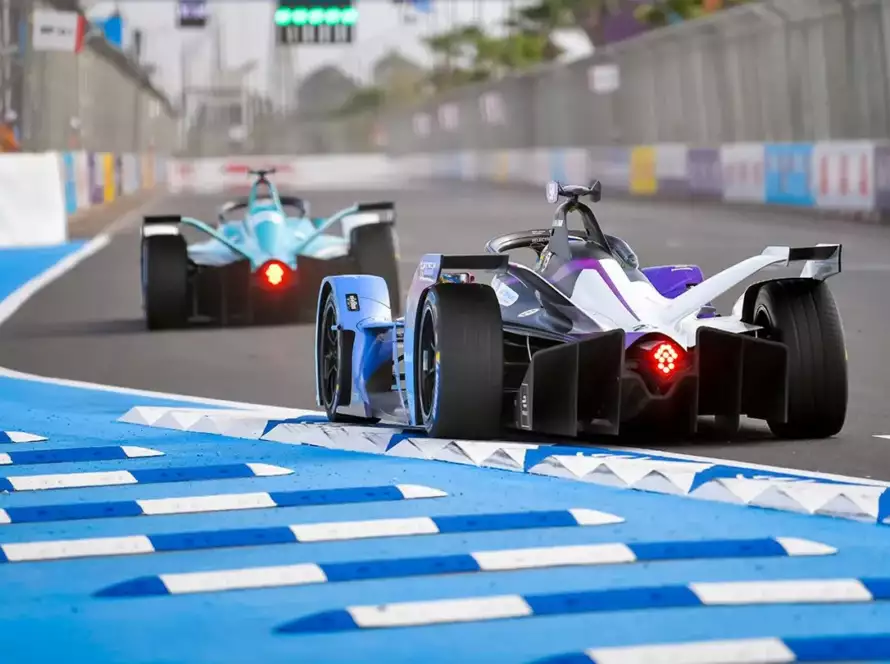

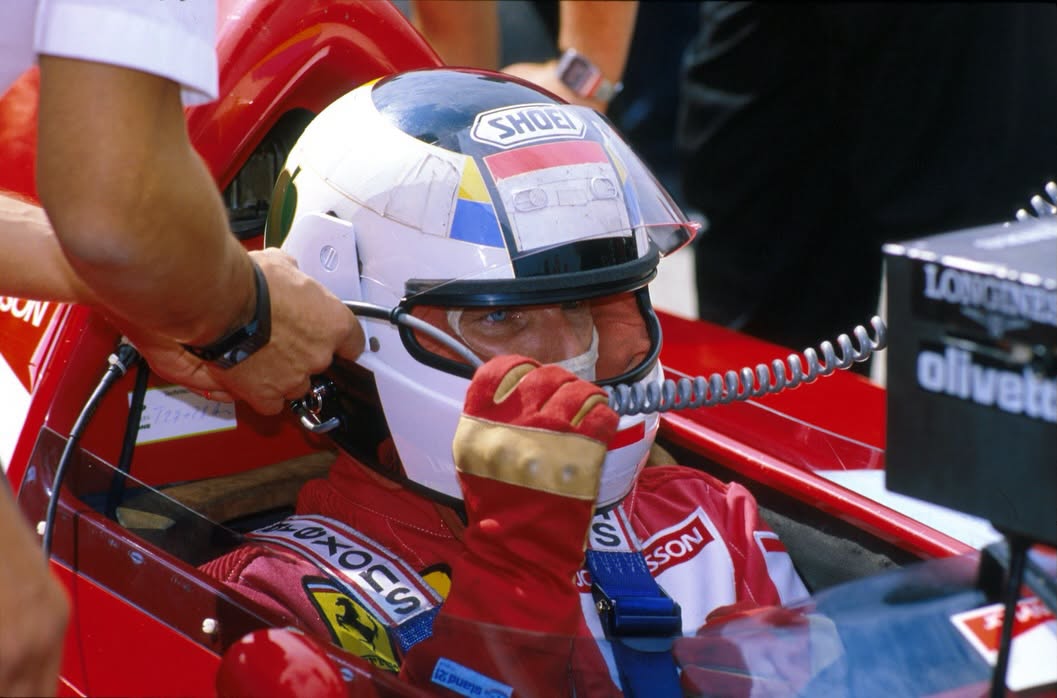
Professional motorsport is often defined by the moments fans see: the lights going out, cars battling wheel-to-wheel, drivers pushing beyond physical limits, and the dramatic celebrations after the finish line. But every race is the result of thousands of hours of preparation, analysis, teamwork, and precision that happen far away from the spotlight.
Behind every helmet visor is a world of engineers studying data, mechanics perfecting machines, strategists making split-second decisions, and support teams working tirelessly to create the conditions for victory. The driver may be the face of the team, but motorsport success is built by an entire organization working together.
The Hidden World Before the Race Begins
A race weekend is not just about what happens on the track. The real competition begins long before the cars arrive at the circuit. Teams spend weeks and months preparing for every possible scenario, from weather changes to technical challenges.
Before a single lap is completed, teams focus on:
- Vehicle development and testing
- Race simulations
- Data analysis
- Driver preparation
- Strategy planning
- Mechanical inspections
Modern motorsport is a combination of engineering excellence and human performance. Every component, decision, and adjustment can influence the final result.
The Engineers: Turning Data Into Performance
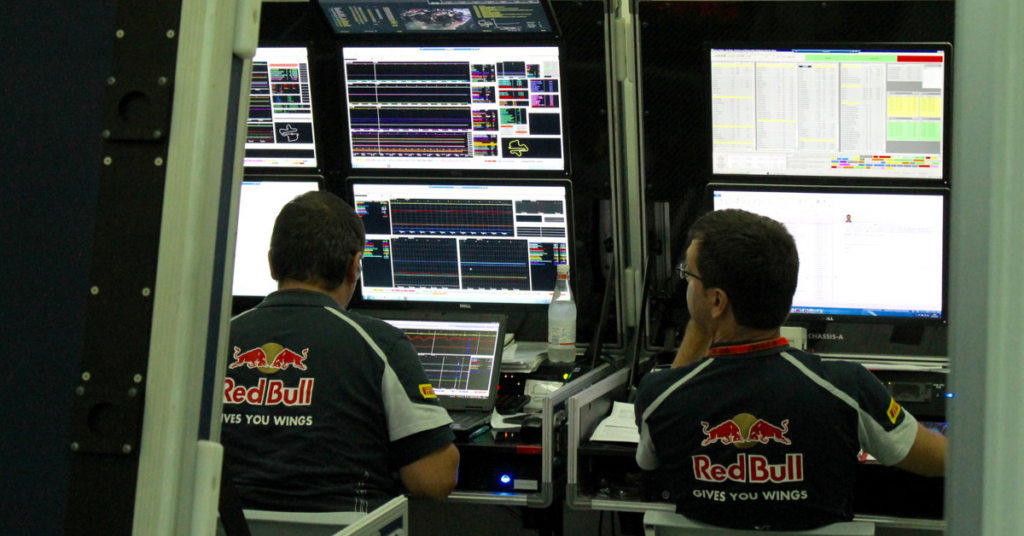
Behind every successful racing car is a group of engineers constantly searching for improvements. Their work often happens away from cameras, but it plays a major role in determining a team’s competitiveness.
Race engineers monitor thousands of data points during every session, including:
- Tire temperatures
- Brake performance
- Engine or power unit behavior
- Fuel consumption
- Aerodynamic efficiency
- Suspension performance
This information helps engineers understand how the car behaves and where improvements can be made.
Aerodynamics: The Science of Speed
Aerodynamics is one of the most important areas of modern motorsport. Engineers design bodywork, wings, and aerodynamic systems to create the perfect balance between speed and control.
A car with too much aerodynamic grip may handle well but lose speed on straight sections. A car with too little downforce may be fast but difficult for the driver to control through corners.
Finding the right balance requires advanced simulations, wind tunnel testing, and constant development.
The Role of Simulation Technology
Before a car reaches the track, teams use advanced software to predict performance. Virtual simulations allow engineers and drivers to test different setups without spending valuable track time.
These tools help answer important questions:
- Which tire strategy is likely to work best?
- How will the car react to different weather conditions?
- What setup provides the best balance?
- How can fuel or energy usage be optimized?
Simulation has become one of the most powerful tools in professional racing.
Mechanics: The People Who Keep the Machine Alive
While engineers design and analyze the car, mechanics are responsible for keeping it performing at its highest level.
A race car is a highly complex machine made up of thousands of parts. Mechanics inspect, repair, and adjust everything from major components to the smallest details.
Their responsibilities include:
- Preparing cars before sessions
- Changing tires during pit stops
- Replacing damaged parts
- Performing safety checks
- Making setup adjustments
The Pressure of the Pit Lane
Few moments in motorsport show teamwork better than a pit stop. A few seconds can determine whether a driver gains or loses positions.
A successful pit stop requires:
- Perfect communication between team members
- Precise timing
- Reliable equipment
- Extensive practice
Pit crews train repeatedly to reduce mistakes because even a small delay can change the outcome of an entire race.
Strategy Teams: The Chess Players of Motorsport
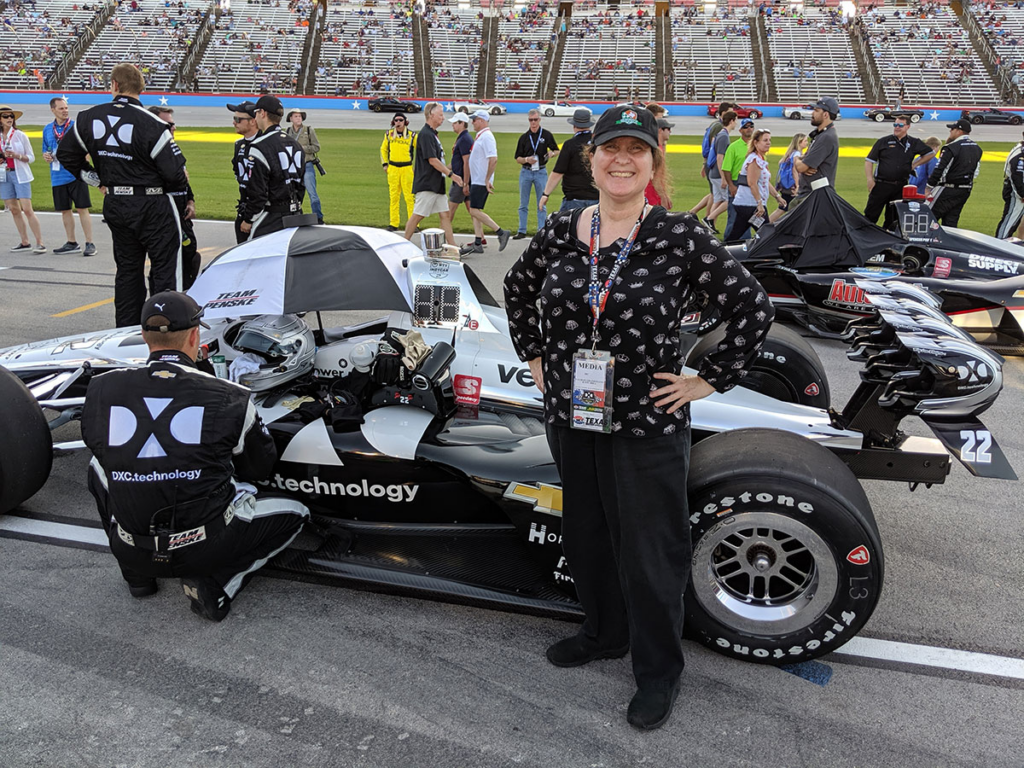
While drivers compete at incredible speeds, strategists are fighting their own battle from behind computer screens.
Race strategy involves predicting and responding to constantly changing conditions. Teams must consider:
- Tire wear
- Weather patterns
- Track conditions
- Competitor decisions
- Safety periods
- Fuel or energy management
A driver can have the fastest car on the track, but the wrong strategic decision can cost a victory.
Making Decisions Under Pressure
Strategists often have only seconds to react. A sudden rain shower, unexpected accident, or change in tire performance can force teams to completely rethink their approach.
The best strategy teams combine experience, technology, and instinct to make decisions that give their drivers the greatest possible advantage.
Drivers: More Than Just Speed
Fans often view racing drivers as athletes with exceptional reflexes and bravery. While those qualities are essential, professional drivers do much more than simply drive fast.
A driver’s responsibilities include:
- Providing technical feedback
- Understanding vehicle behavior
- Managing tires and fuel
- Studying competitors
- Maintaining physical fitness
- Working with engineers
The Driver-Engineer Relationship
A strong relationship between driver and engineering team is critical. Drivers provide feedback that cannot always be captured by sensors.
They can describe details such as:
- How the car feels during corner entry
- Whether the balance changes over a race distance
- How predictable the vehicle feels
- Where performance improvements may be possible
This communication helps engineers make better decisions.
The Support Teams Behind Every Victory
Professional motorsport involves far more people than those seen on television. Behind every race team are specialists working in different areas.
These include:
- Data analysts who study performance information
- Fitness coaches who prepare drivers physically
- Nutrition experts who manage athlete performance
- Logistics teams who transport equipment worldwide
- Communications teams who manage media and partnerships
- Management staff who coordinate operations
Every person contributes to the final result.
The Importance of Teamwork in Motorsport
Motorsport success is rarely achieved by one individual. A driver may take the podium, but that achievement represents the combined effort of hundreds of people.
A winning team shares:
- Clear communication
- Trust between departments
- Attention to detail
- A commitment to improvement
Small improvements made by many people can create a significant advantage on race day.
Life Inside a Motorsport Team
The lifestyle of a professional racing team is demanding. Team members often travel across countries, work long hours, and operate under intense pressure.
A typical race weekend can involve:
- Arriving days before the event
- Building the garage and preparing equipment
- Analyzing practice sessions
- Adjusting car setups
- Managing qualifying pressure
- Executing race strategy
- Reviewing performance afterward
The work continues even after the checkered flag falls. Teams analyze every detail to prepare for the next challenge.
The Future of Behind-the-Scenes Motorsport
As technology continues to advance, the unseen side of motorsport will become even more important. Artificial intelligence, advanced simulations, and improved data systems are changing how teams develop cars and make decisions.
However, technology alone cannot replace human expertise. The best teams combine innovation with experience, creativity, and teamwork.
Conclusion: The Real Race Happens Everywhere
The excitement of motorsport may be experienced through a driver’s visor, but the journey to victory involves an entire world working behind the scenes.
Engineers create the performance, mechanics maintain the machines, strategists guide decisions, and support teams make everything possible. Every lap completed and every trophy won represents countless hours of preparation beyond what fans see.
Professional motorsport is not only a battle between drivers and cars. It is a competition of people, ideas, precision, and teamwork — where success is built long before the engines start.