
Every professional racing driver begins with a single lap. Before the trophies, international championships, and bright lights of elite motorsport, there is a long journey built on discipline, training, coaching, and countless hours of improvement.
The path from karting to the podium is not simply about learning how to drive fast. Developing a successful racing driver requires technical knowledge, physical preparation, mental strength, and years of competitive experience. Behind every professional driver is a carefully planned development process designed to transform raw talent into world-class performance.
The First Step: Discovering Racing Through Karting
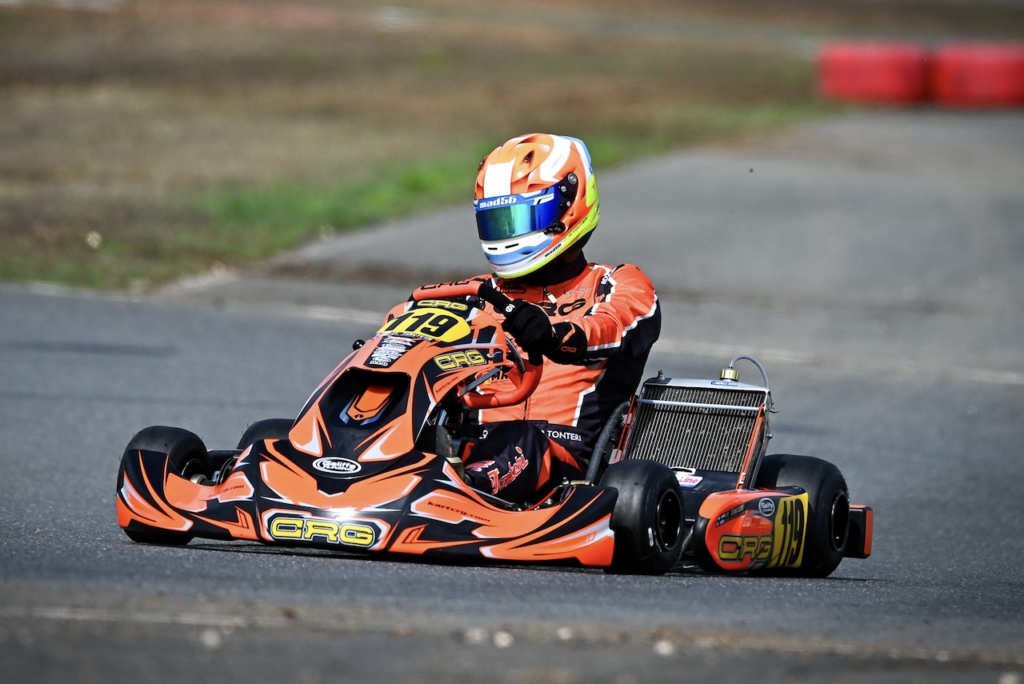
For many future champions, karting is where the journey begins. It provides young drivers with their first experience of competition, racecraft, and vehicle control.
Unlike many other forms of motorsport, karting places drivers in a direct environment where skill and decision-making matter immediately. Without complex aerodynamic systems or advanced technology, young racers learn the fundamentals of speed.
Karting teaches essential skills such as:
- Car control and precision
- Cornering techniques
- Braking management
- Race strategy
- Overtaking and defending positions
- Understanding competition
At this stage, the focus is not only on winning races. Coaches look for qualities that suggest future potential, including adaptability, consistency, focus, and the ability to learn from mistakes.
Learning the Fundamentals of Racecraft
A fast lap does not automatically create a successful driver. Motorsport requires a deep understanding of racing situations and decision-making.
Young drivers spend years developing racecraft — the ability to compete intelligently on track.
Understanding Track Position
One of the biggest differences between amateur and professional drivers is awareness. Experienced racers understand how to position their car, anticipate opponents’ moves, and create opportunities without unnecessary risks.
Drivers learn:
- When to attack
- When to defend
- How to manage tire performance
- How to read competitors
- How to maximize every opportunity
These lessons often come through real competition, where every race provides valuable experience.
Building Consistency
Talent may create impressive moments, but consistency creates championships.
Driver development focuses heavily on repeating strong performances. A professional driver must be able to deliver competitive results across different tracks, weather conditions, and race situations.
Consistency comes from:
- Proper preparation
- Technical understanding
- Mental discipline
- Detailed analysis after each session
The Role of Coaching in Driver Development
Behind almost every successful driver is a team of coaches, mentors, and specialists helping them improve.
A driver coach does much more than provide driving tips. They analyze performance, identify weaknesses, and create training plans designed around individual needs.
What Driver Coaches Focus On
Coaches help drivers improve areas such as:
- Braking techniques
- Racing lines
- Steering inputs
- Race strategy
- Communication with engineers
- Mental preparation
They also teach drivers how to review their own performances objectively. Learning from mistakes is one of the most important parts of becoming a professional racer.
The Importance of Feedback
Communication is a major skill that separates developing drivers from elite competitors.
Professional drivers must clearly explain what the car is doing and how it feels during different situations. This information helps engineers adjust setups and improve performance.
A driver who can provide detailed feedback becomes a valuable member of any racing team.
Moving Through the Motorsport Ladder
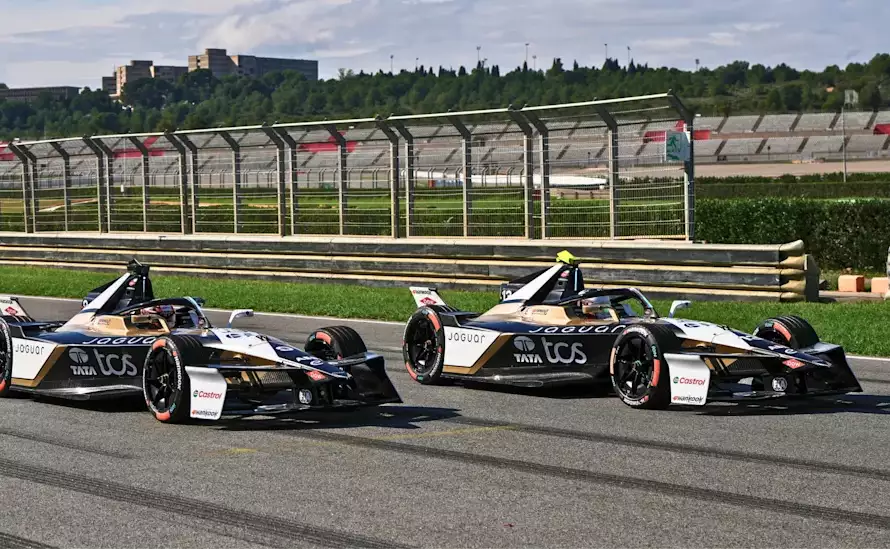
The journey from karting to professional racing usually involves progressing through different levels of competition. Each stage introduces new challenges and teaches important skills.
A typical development pathway may include:
- Karting championships
- Entry-level single-seater or touring car series
- Regional and international competitions
- Professional racing categories
- Top-level motorsport
Each step requires drivers to adapt to faster vehicles, stronger competition, and increasing pressure.
Adapting to Faster Cars
Moving from karting to race cars requires significant adjustment. The vehicles become more powerful, heavier, and technically complex.
Drivers must learn:
- Advanced aerodynamic concepts
- More complicated vehicle behavior
- Tire management
- Communication with engineering teams
- Professional race procedures
Success at one level does not guarantee success at the next. Many talented drivers must completely change their approach as they progress.
Simulator Training: Practicing Without the Track
Modern driver development relies heavily on simulation technology. Professional simulators allow drivers to practice circuits, test strategies, and prepare for upcoming races without physically being on track.
Simulator work helps drivers develop:
- Track knowledge
- Racing confidence
- Decision-making skills
- Technical understanding
- Reaction speed
Why Simulation Matters
A racing weekend offers limited track time. Simulators allow drivers to prepare before arriving at the circuit.
They can study:
- Different racing lines
- Possible weather scenarios
- Tire behavior
- Setup changes
- Race strategies
While simulators cannot fully replace real competition, they have become an essential part of modern driver preparation.
Physical and Mental Training
Driving at professional levels requires exceptional physical and mental conditioning. A race car demands concentration, endurance, and the ability to perform under extreme pressure.
Physical Preparation
Drivers train to handle:
- High temperatures inside the cockpit
- Strong braking forces
- Neck and core strain
- Long periods of concentration
Training programs often include:
- Cardiovascular exercises
- Strength training
- Reaction drills
- Flexibility exercises
Physical fitness allows drivers to maintain performance throughout an entire race.
Mental Preparation
The mental side of motorsport is equally important. Drivers must remain calm while making decisions at extremely high speeds.
Mental training focuses on:
- Concentration
- Confidence
- Managing pressure
- Recovering from mistakes
- Maintaining focus during difficult races
A strong mindset can make the difference between a promising driver and a championship contender.
The Importance of Competitive Experience
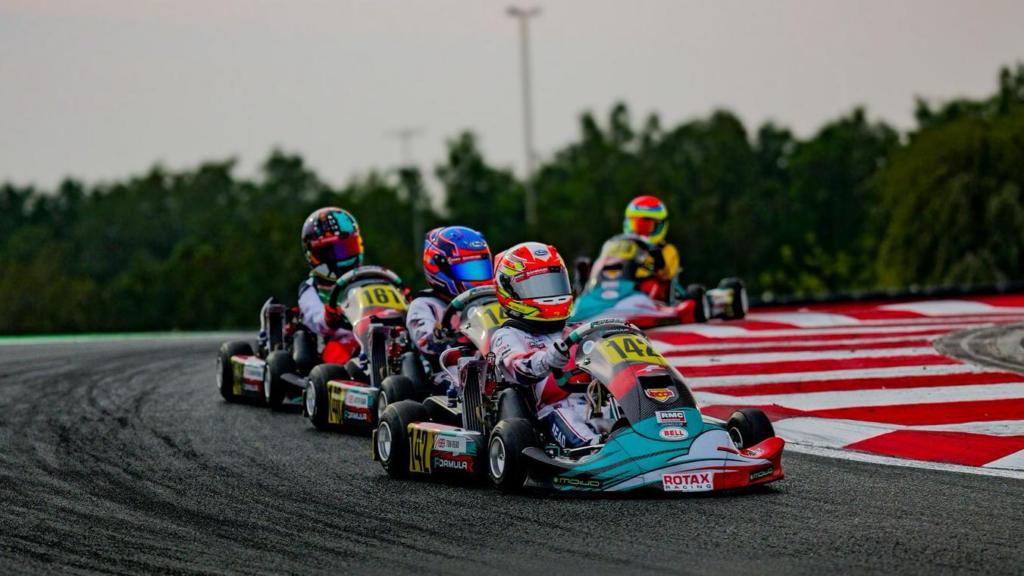
No amount of training can completely replace real racing experience. Competition teaches lessons that cannot always be learned in practice.
Every race provides opportunities to improve:
- Understanding opponents
- Managing pressure
- Making strategic decisions
- Handling unexpected situations
Successful drivers often analyze every race, searching for small improvements that can create an advantage.
The Support System Behind a Rising Driver
A driver’s success is rarely achieved alone. Behind every developing racer is a network of people helping them progress.
This team may include:
- Driving coaches
- Engineers
- Fitness trainers
- Data analysts
- Sponsors
- Family members
- Team managers
Each person contributes to the driver’s growth, both on and off the track.
The Challenge of Reaching the Top
The road to professional motorsport is highly competitive. Many talented drivers begin racing, but only a small percentage reach the highest levels.
Success requires a combination of:
- Natural ability
- Hard work
- Financial support
- Opportunity
- Adaptability
- Determination
Even the most talented drivers must continue learning throughout their careers.
The Final Step: From Potential to Podium
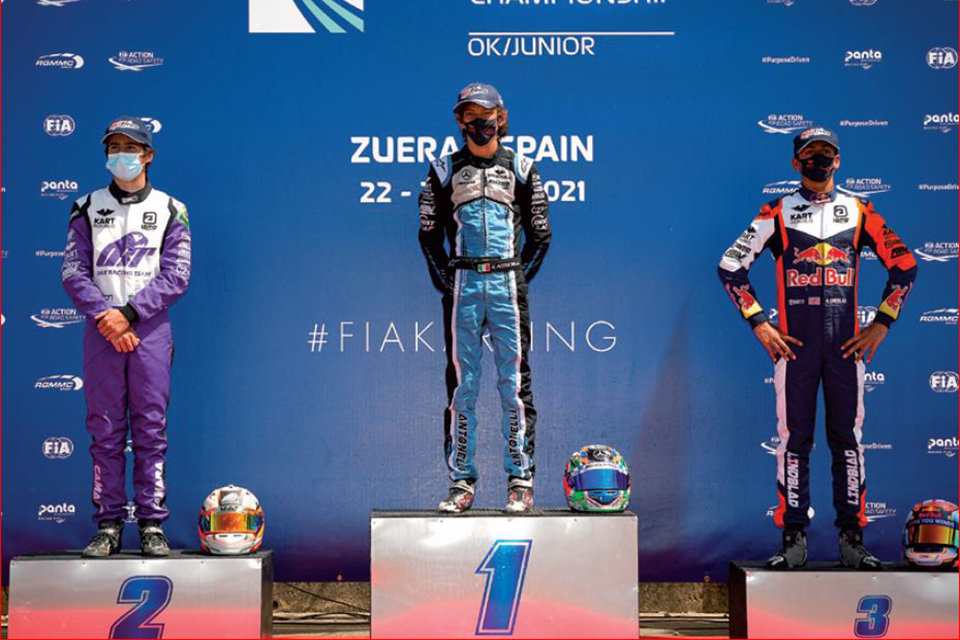
Reaching the podium represents years of preparation, not just one successful race. Every victory is built on thousands of practice laps, coaching sessions, simulator hours, and moments of learning.
The journey from karting to professional motorsport is a transformation. A young driver begins by learning how to control a machine and eventually develops the skills needed to compete at the highest level.
Behind every champion is a story of development — a process shaped by coaching, technology, experience, and relentless improvement. The podium may be the final destination, but the real achievement is the journey that creates the driver capable of standing there.