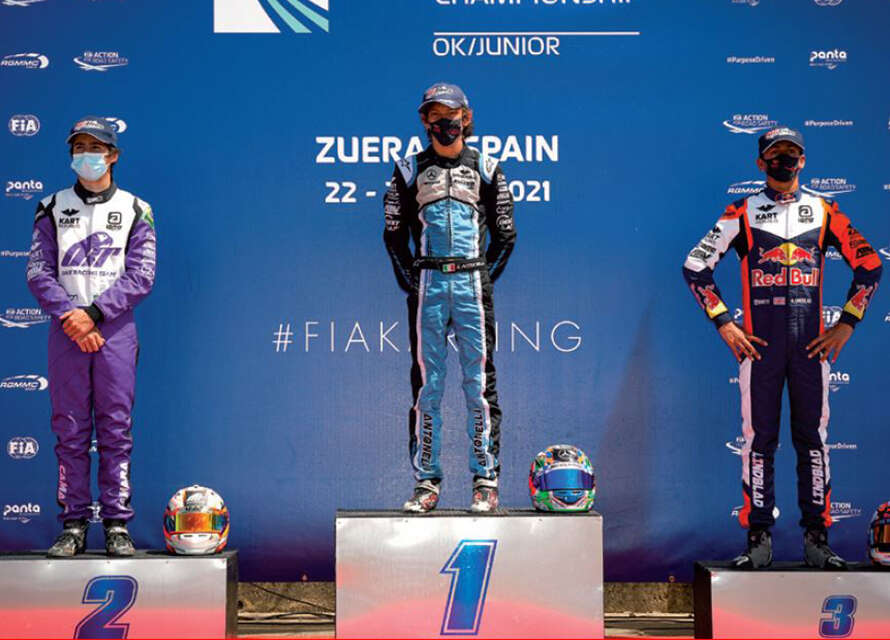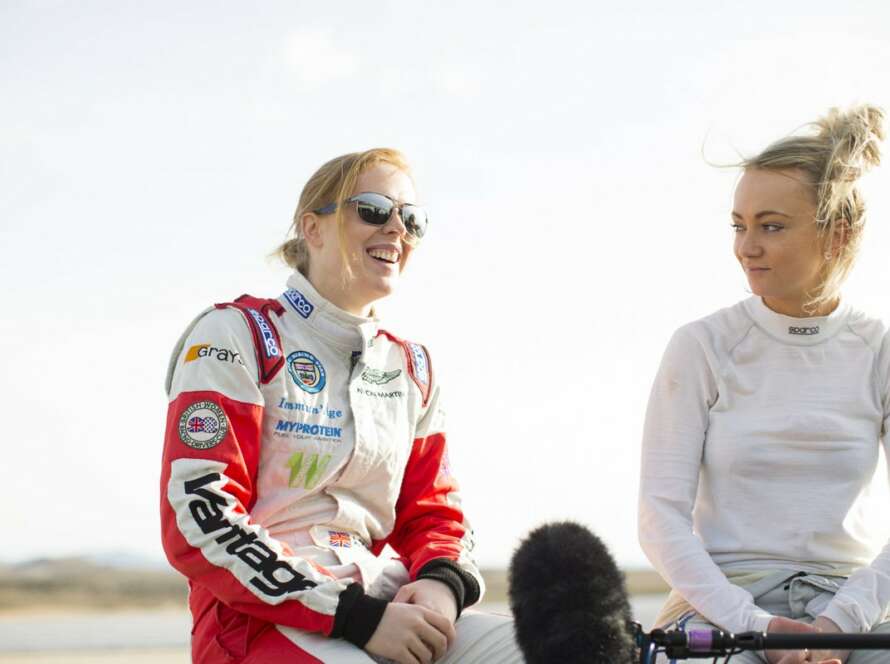

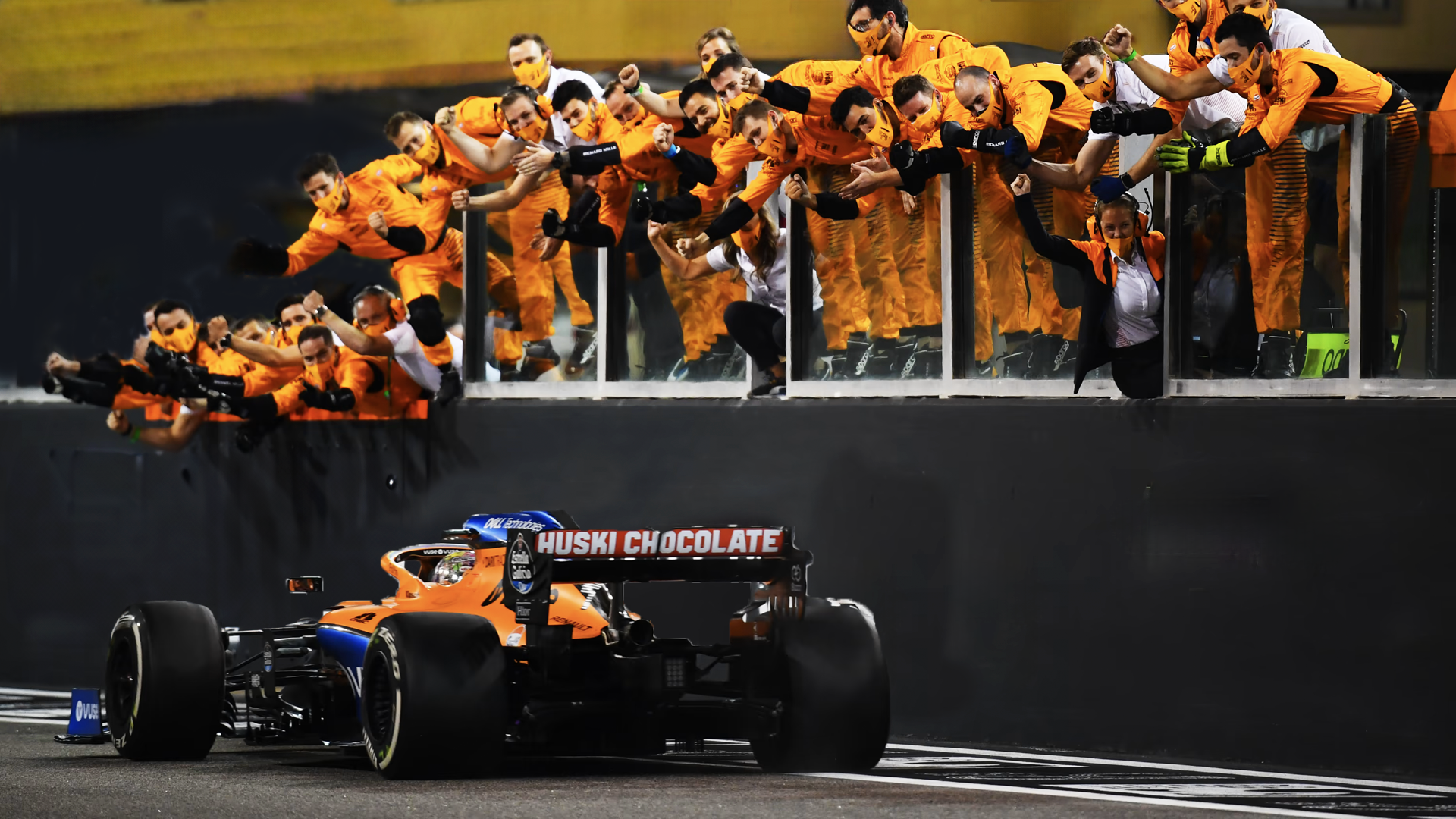
When people dream about working in motorsport, the first image that often comes to mind is sitting behind the wheel of a race car. Drivers receive the spotlight, stand on podiums, and become the public faces of teams and championships.
However, professional racing is built by thousands of people working behind the scenes. Engineers, mechanics, analysts, coaches, managers, and media professionals all play essential roles in creating successful teams.
Motorsport is not just a career for those who want to drive. It is a global industry that requires a wide range of skills, and there are many different pathways for people who are passionate about racing.
The Many Careers Behind a Racing Team
A professional motorsport organization is a complex operation. A race weekend may involve specialists working in areas such as:
- Vehicle design
- Mechanical preparation
- Data analysis
- Strategy development
- Driver coaching
- Communications
- Business management
- Logistics
Every department contributes to performance. A victory on the track is usually the result of hundreds of people working together.
Finding the Right Motorsport Career Path
The best career path depends on individual interests and skills.
Someone who enjoys mathematics and technology may find opportunities in engineering or data analysis. A person who prefers hands-on work may thrive as a mechanic. Those interested in communication may explore media, marketing, or team operations.
The key is understanding that motorsport needs many different talents.
Engineering: Designing the Future of Racing
Engineering is one of the most important career paths in modern motorsport. Race engineers and technical specialists are responsible for developing faster, safer, and more efficient vehicles.
Engineers work on areas including:
- Aerodynamics
- Vehicle dynamics
- Suspension systems
- Electronics
- Power systems
- Simulation technology
Modern race cars are highly advanced machines, and engineers use science, mathematics, and technology to improve every aspect of performance.
Becoming a Motorsport Engineer
Many motorsport engineers begin with education in fields such as:
- Mechanical engineering
- Automotive engineering
- Aerospace engineering
- Electrical engineering
- Computer science
Practical experience is equally valuable. Students often gain knowledge through:
- University racing projects
- Internships
- Entry-level technical roles
- Motorsport competitions
A strong combination of education and hands-on experience creates opportunities in professional racing.
Mechanics: The People Who Keep Cars Competitive
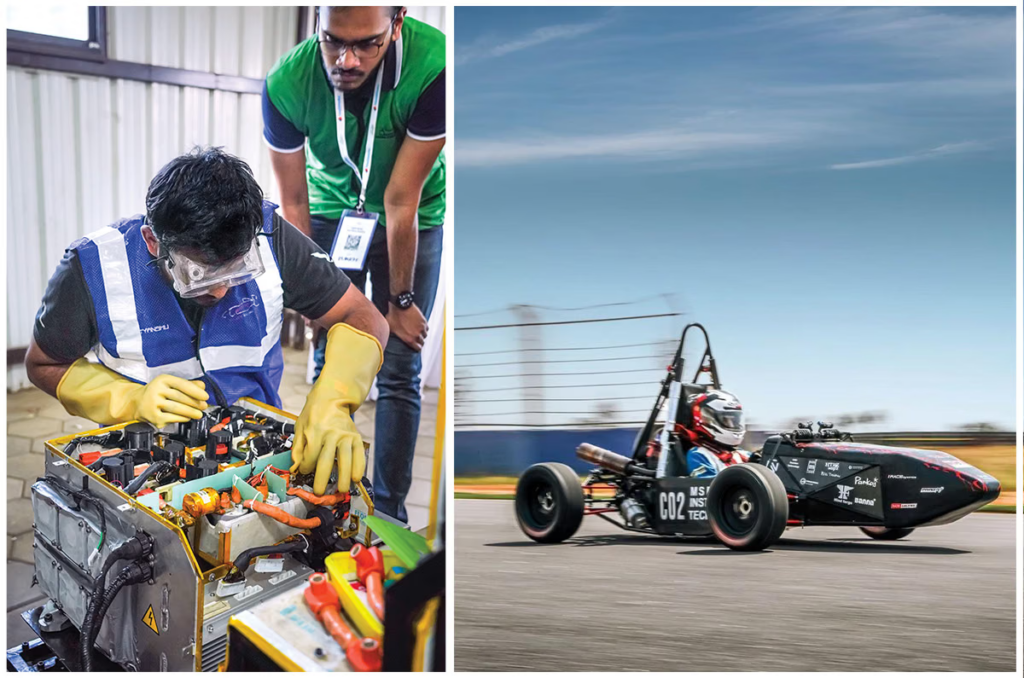
Mechanics are the foundation of every racing team. They are responsible for preparing, maintaining, and repairing vehicles throughout a race season.
A mechanic’s work includes:
- Building race cars
- Inspecting components
- Performing repairs
- Preparing pit equipment
- Supporting pit stops
- Making setup changes
The Skills of a Professional Motorsport Mechanic
Successful mechanics need:
- Technical knowledge
- Attention to detail
- Problem-solving ability
- Teamwork
- Ability to work under pressure
A small mechanical issue can determine the outcome of an entire race, making precision extremely important.
Many mechanics begin their careers through automotive training, apprenticeships, or lower-level racing categories before moving into professional teams.
Data Analysis: Turning Information Into Performance
Modern motorsport is driven by data. Every lap produces thousands of measurements that teams use to improve performance.
Data analysts help teams understand:
- Vehicle behavior
- Driver performance
- Tire usage
- Energy consumption
- Race strategy opportunities
The Growing Importance of Motorsport Data
Technology has transformed racing. Teams now rely on advanced systems to identify small improvements that can create competitive advantages.
A data specialist may analyze:
- Braking patterns
- Acceleration zones
- Corner speeds
- Setup changes
- Competitor performance
A difference of fractions of a second can determine victory, making data analysis one of the fastest-growing areas in motorsport.
Race Strategy: The Decision Makers
Strategists are responsible for making critical decisions during competition.
They evaluate:
- Weather conditions
- Tire choices
- Fuel or energy usage
- Competitor behavior
- Safety situations
A strategy decision made at the right moment can completely change the result of a race.
Skills Needed for Strategy Roles
Successful strategists often have strong abilities in:
- Mathematics
- Data interpretation
- Communication
- Decision-making under pressure
- Understanding racing dynamics
They must combine technical knowledge with the ability to react quickly when situations change.
Driver Coaching and Performance Development
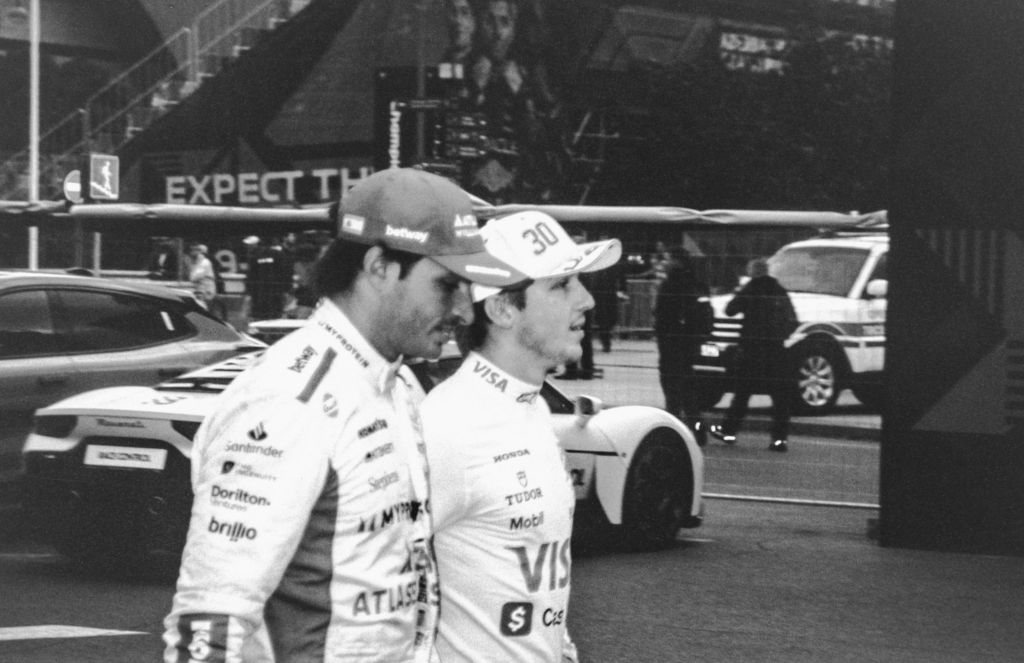
Drivers may be the ones competing on track, but they rely heavily on coaches to improve.
Driver coaches help competitors develop:
- Racecraft
- Technical understanding
- Mental preparation
- Physical conditioning
- Communication skills
Coaches analyze performance and help drivers understand where improvements can be made.
Beyond Driving Technique
Modern driver coaching involves much more than teaching faster laps.
Coaches also help with:
- Reviewing race footage
- Understanding data
- Managing pressure
- Developing professional habits
A successful coach helps transform talent into consistent performance.
Motorsport Media and Communications
Racing depends heavily on storytelling and fan engagement. Media professionals help teams connect with audiences around the world.
Careers in motorsport media include:
- Journalism
- Photography
- Video production
- Social media management
- Public relations
- Content creation
The Role of Communication Teams
A motorsport communications department manages:
- Team announcements
- Driver interviews
- Sponsor relationships
- Digital content
- Media events
These roles are essential because they help build the identity and reputation of teams and championships.
Management and Business Careers in Motorsport
Behind every successful racing organization is a strong management structure.
Motorsport managers oversee areas such as:
- Team operations
- Sponsorship agreements
- Financial planning
- Personnel management
- Long-term strategy
Why Business Skills Matter
Motorsport is both a sport and a business. Teams need professionals who understand:
- Marketing
- Finance
- Leadership
- Partnerships
- Organization
A successful manager must balance sporting goals with commercial realities.
How to Start a Motorsport Career
Entering motorsport can seem challenging, but there are many ways to gain experience.
Useful steps include:
1. Build Relevant Skills
Develop knowledge related to your chosen field:
- Engineering principles
- Mechanical skills
- Data analysis
- Communication
- Business management
2. Gain Practical Experience
Experience is highly valuable in motorsport.
Consider:
- Volunteer roles
- Local racing teams
- Student competitions
- Internships
- Motorsport clubs
3. Create Connections
Motorsport is a relationship-driven industry. Networking can create opportunities through:
- Events
- Training programs
- Industry communities
- Professional contacts
4. Continue Learning
Technology and racing techniques constantly evolve. Successful professionals continue developing throughout their careers.
The Importance of Passion and Persistence
Motorsport careers are competitive, and reaching professional levels requires commitment.
Many successful professionals begin with small opportunities and gradually build experience.
Important qualities include:
- Curiosity
- Patience
- Reliability
- Willingness to learn
- Commitment to improvement
A career in racing is built over time through consistent effort.
Motorsport Needs More Than Drivers
The excitement of racing may happen on the track, but the foundation of every successful team is created behind the scenes.
Engineers design the machines, mechanics maintain them, analysts find performance gains, coaches develop talent, and managers guide the organization.
For anyone passionate about motorsport, there are countless ways to become part of the industry.
The dream does not have to be holding the steering wheel. It can also be designing the car, improving the strategy, telling the story, or helping a team achieve victory.
Motorsport is powered by people with different skills working toward the same goal: pushing performance beyond what was previously possible.