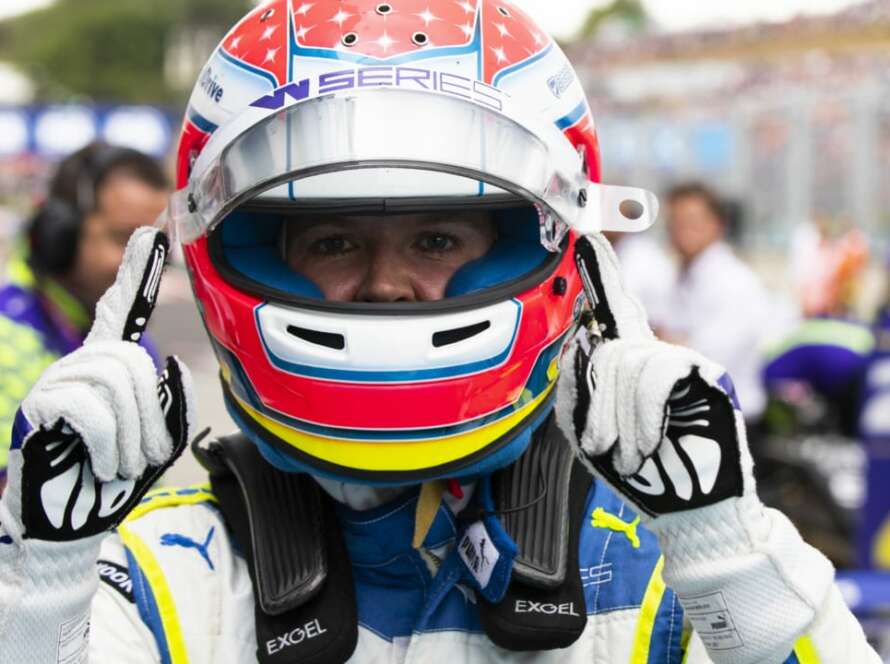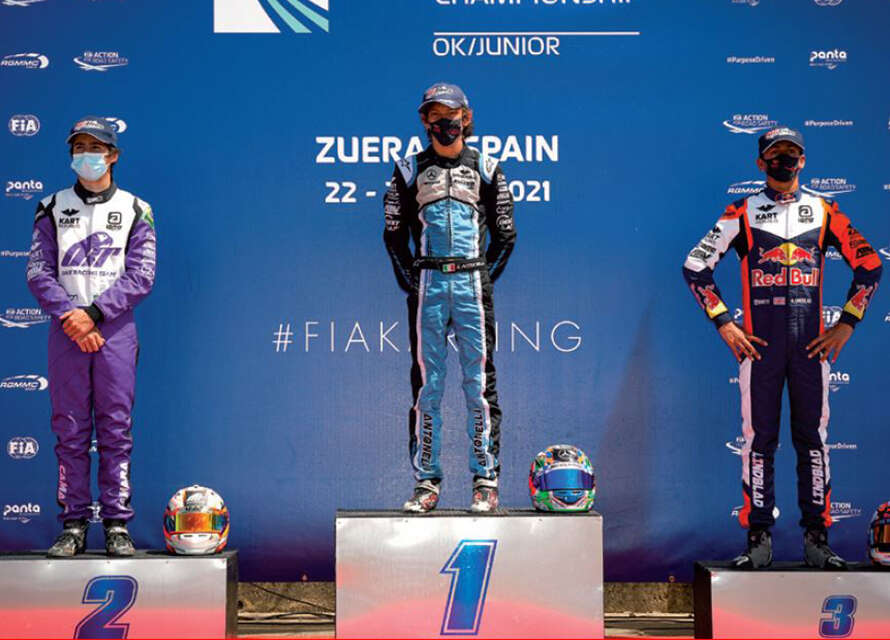

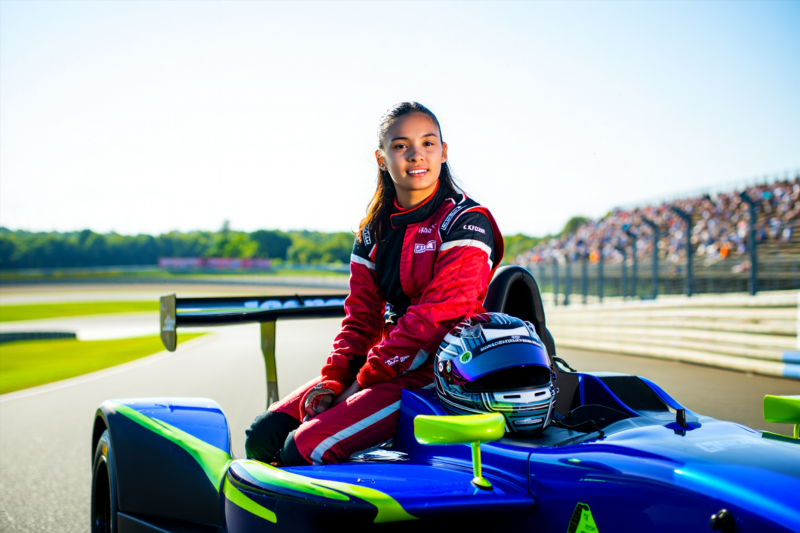
Motorsport has always been a world built on ambition, precision, and the pursuit of performance. While racing history has often focused on famous champions and iconic machines, countless women have also played important roles in shaping the sport.
From drivers competing at the highest levels to engineers developing groundbreaking technology and leaders guiding racing organizations, women are proving their impact across every area of motorsport.
Their journeys are defined by more than competition. They represent dedication, resilience, innovation, and the ability to challenge expectations in one of the most demanding sporting environments in the world.
A New Generation of Female Racing Talent
The modern motorsport landscape is creating more opportunities for women to develop careers in racing. Young drivers are entering karting earlier, gaining access to professional coaching, and competing in increasingly competitive championships.
The pathway to success remains challenging for everyone, but female drivers are demonstrating that talent and preparation can overcome traditional barriers.
Today, women compete across categories such as:
- Single-seater racing
- Endurance racing
- Touring cars
- Rally competitions
- Electric racing championships
- Off-road motorsport
Each competitor contributes to changing perceptions of what a racing driver can be.
Jamie Chadwick: Building a New Path for Female Drivers
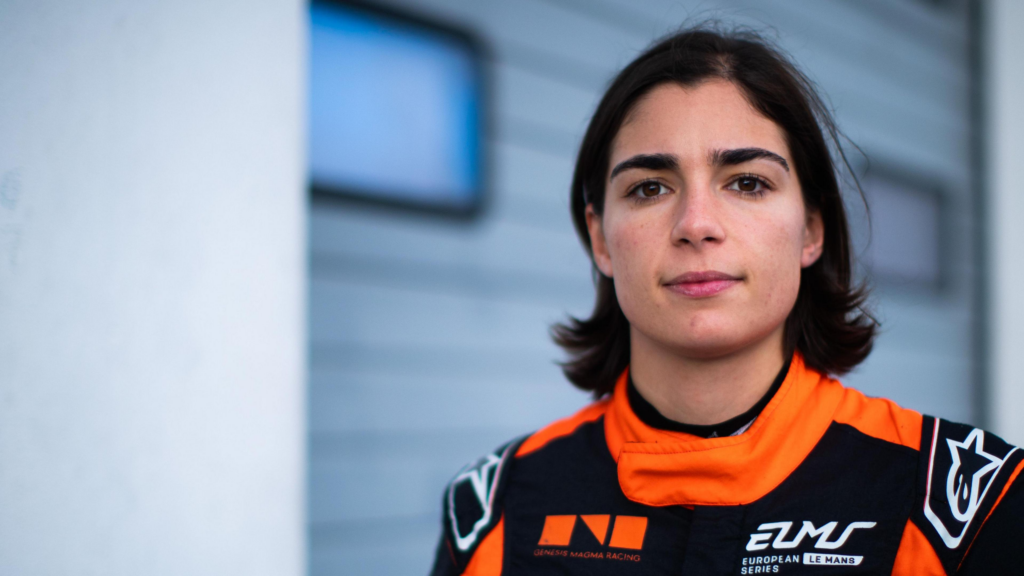
Jamie Chadwick has become one of the most recognized names in modern women’s motorsport. Her success in junior single-seater racing and championship victories have helped bring greater attention to opportunities for female drivers.
Her career highlights the importance of structured development programs and competitive experience.
Beyond race results, Chadwick’s influence comes from demonstrating that female drivers can compete successfully in demanding professional environments.
Her journey shows the importance of:
- Early driver development
- Strong coaching support
- Consistent performance
- Mental preparation
By achieving success on track, she has helped inspire a new generation of racers.
Susie Wolff: From Driver to Motorsport Leader
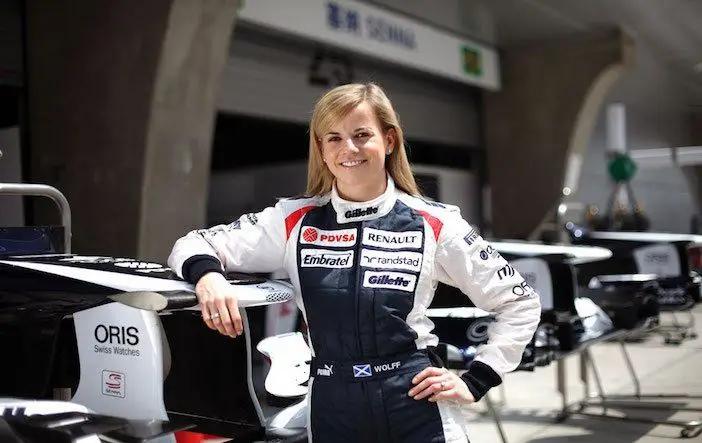
Susie Wolff’s career represents the many different ways women can influence motorsport. After competing professionally as a driver, she moved into leadership and development roles within the racing world.
Her work has focused on creating opportunities for young female drivers and improving access to motorsport pathways.
Her career demonstrates that impact in racing does not end when a driver leaves the cockpit. Leadership, mentorship, and organizational roles are equally important in shaping the future of the sport.
Women like Wolff are helping create systems that support future generations of competitors.
Danica Patrick: Breaking Through in American Racing
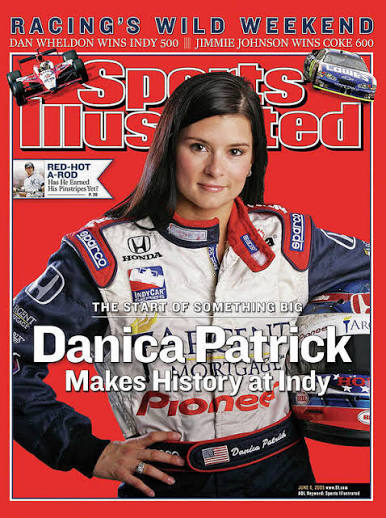
Danica Patrick became one of the most recognizable female drivers in motorsport history through her achievements in American racing.
Her success helped increase mainstream attention for women competing in high-level motorsport and showed that female drivers could compete against established professionals.
Her career demonstrated the importance of:
- Confidence under pressure
- Adaptability across racing formats
- Professional preparation
- Handling public expectations
Patrick’s achievements helped open conversations about representation and opportunity in racing.
Women in Endurance Racing: Success Through Teamwork
Endurance racing provides a unique challenge because success depends on teamwork, consistency, and technical understanding.
Women competing in endurance categories have shown their ability to manage:
- Long-distance competition
- Changing conditions
- Complex race strategies
- Physical and mental demands
Unlike shorter races where a single moment can determine the outcome, endurance racing rewards patience and precision.
Female drivers have proven their ability to contribute to successful teams by combining speed with strategic awareness.
Women Engineers: The Innovation Behind the Car
While drivers receive much of the attention, motorsport depends heavily on engineers who develop and optimize racing machines.
Women engineers are making important contributions in areas such as:
- Aerodynamics
- Vehicle dynamics
- Data analysis
- Software development
- Race strategy
- Performance engineering
Modern racing is a technology competition as much as a driving competition.
A successful team requires diverse technical expertise, and women are increasingly becoming key contributors to innovation.
Leena Gade: Engineering Excellence in Endurance Racing
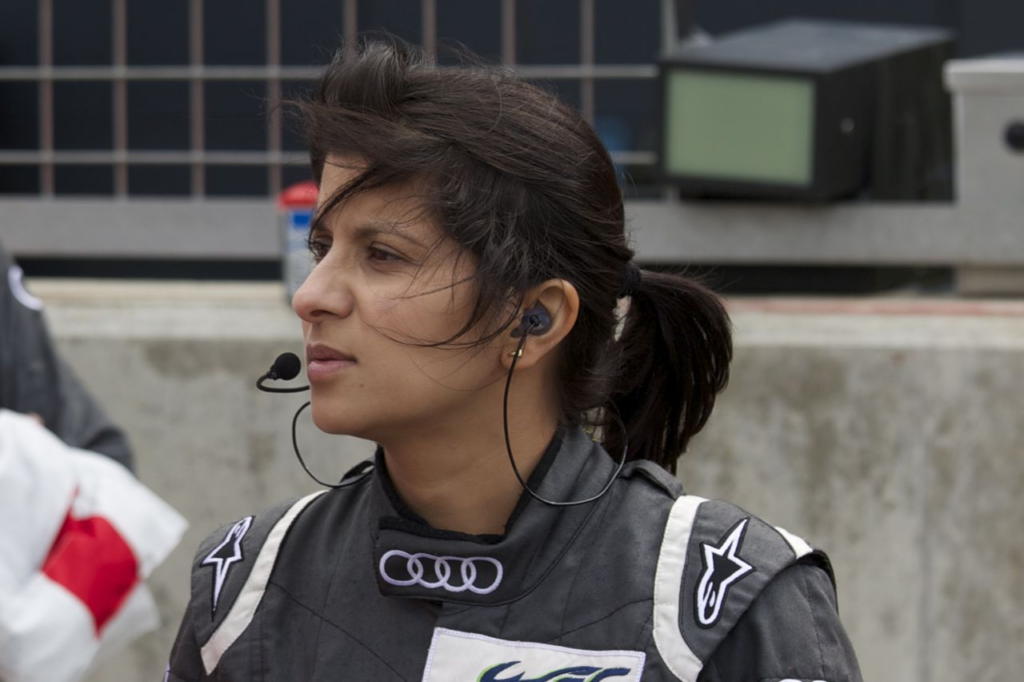
Leena Gade became a respected figure in motorsport engineering through her work in endurance racing.
Her achievements demonstrated the importance of technical knowledge, teamwork, and leadership in racing success.
As a race engineer, she played a crucial role in analyzing performance, communicating with drivers, and making strategic decisions during demanding competitions.
Her career highlights how engineering expertise can be just as influential as driving talent.
Women Leading Motorsport Organizations
The future of racing is also being shaped by women in management and leadership positions.
Leadership roles influence:
- Team culture
- Driver development
- Commercial strategy
- Technical direction
- Long-term planning
Successful motorsport organizations require strong decision-makers who can manage pressure and create competitive environments.
As more women enter leadership positions, they are helping modernize the industry.
The Qualities That Define Motorsport Pioneers
The women changing racing share many qualities that define successful competitors and professionals.
Resilience
Motorsport requires the ability to overcome setbacks, learn from mistakes, and continue improving.
Every racing career includes challenges, but successful individuals use those experiences as opportunities for growth.
Innovation
Racing has always rewarded new ideas. Women across motorsport are contributing fresh approaches to technology, strategy, and team development.
Professionalism
Elite motorsport demands preparation beyond race day. Drivers and team members must constantly improve their knowledge, fitness, and technical skills.
The Importance of Role Models
Representation matters because future racers need examples of what is possible.
When young enthusiasts see women succeeding in racing, engineering, and leadership, they gain confidence that motorsport can be a career path for them.
Role models help encourage:
- More participation
- Greater ambition
- Increased diversity
- New talent entering the sport
Every successful woman in motorsport contributes to expanding the possibilities for those who follow.
The Future of Women in Racing
Motorsport continues to evolve, and women are becoming increasingly visible across all areas of the industry.
The future will likely see more women:
- Competing for championships
- Designing race-winning technology
- Managing teams
- Leading motorsport organizations
- Developing the next generation of talent
The goal is not simply to celebrate individual achievements. It is to create a racing environment where talent has the opportunity to succeed.
Conclusion: Changing Racing Through Talent and Determination
The story of women in motorsport is a story of progress, perseverance, and innovation. From drivers fighting for victories to engineers creating competitive advantages, women are helping shape the future of racing.
Their achievements prove that motorsport is strongest when it brings together the best talent, ideas, and dedication from across the world.
The barriers are continuing to fall, and every new generation of women entering racing brings the sport closer to a future defined by ability, ambition, and opportunity.