
Speed is only one part of becoming a successful racing driver. A driver can have the fastest car on the circuit, but without strong racecraft, winning becomes much more difficult.
Racecraft is the collection of skills that allows drivers to compete effectively against others on track. It includes knowing when to attack, how to defend, where to position the car, and how to make decisions in constantly changing situations.
While raw pace determines how quickly a driver can complete a lap, racecraft determines how effectively they can compete in a real battle.
What Is Racecraft?
Racecraft is the ability to manage wheel-to-wheel competition while maximizing opportunities and minimizing risks.
It combines:
- Strategic thinking
- Car positioning
- Overtaking ability
- Defensive driving
- Situational awareness
- Understanding competitor behavior
Experienced racers often appear calm during intense battles because they are constantly predicting what will happen next.
They are not only reacting to other drivers — they are planning several moves ahead.
The Fundamentals of Car Positioning
One of the most important elements of racecraft is understanding where to place the car.
Every position on the track creates different opportunities and risks. A driver must constantly consider:
- The racing line
- Available grip
- Corner entry speed
- Exit position
- Competitor movement
A small positioning advantage can determine whether a driver successfully completes an overtake or loses valuable time.
The Racing Line Advantage
The racing line is the fastest path around a circuit because it allows a driver to carry the highest possible speed through corners.
However, racing situations often require drivers to leave the ideal line.
Examples include:
- Taking a defensive line to block an opponent
- Choosing a different line to prepare an overtake
- Avoiding another car’s dirty air
- Finding grip in changing conditions
A skilled driver knows when to follow the perfect racing line and when to sacrifice it for a strategic advantage.
The Art of Overtaking
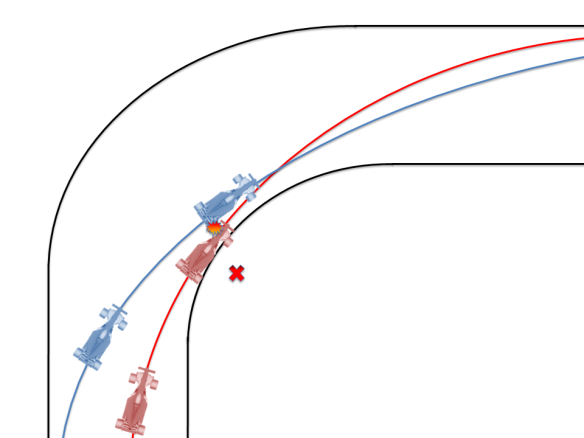
Overtaking is one of the most exciting parts of motorsport, but successful passes require much more than simply being faster.
A driver must create an opportunity, choose the right moment, and execute the move precisely.
Finding the Right Opportunity
The best overtaking opportunities usually come from situations where one driver has an advantage.
This could include:
- Better acceleration
- Stronger braking performance
- Better tire condition
- A competitor making a mistake
- A strategic advantage
Patience is often the key. Attempting an unrealistic move can damage both the driver’s race and the car.
The Setup Before the Pass
Many successful overtakes are created several corners before they happen.
A driver may spend time:
- Following closely to study the opponent
- Applying pressure to create mistakes
- Positioning the car for better acceleration
- Preparing for a braking opportunity
The actual pass may take only a few seconds, but the preparation behind it can involve several laps.
Braking Battles: Where Many Overtakes Are Won
Late braking is one of the most recognizable overtaking techniques in racing.
A driver attempts to brake later than the competitor and take the inside line into a corner.
However, successful late braking requires precision.
A driver must balance:
- Braking distance
- Tire grip
- Corner speed
- Exit position
- Risk of contact
Braking too late may result in missing the corner completely or allowing the opponent to regain the position on exit.
The Importance of Corner Exit
Many drivers focus on gaining a position at corner entry, but the real advantage often comes from the exit.
A strong corner exit creates:
- Better acceleration
- More speed on the following straight
- Another opportunity to attack
Experienced racers understand that winning the corner is not always about being ahead at the beginning.
Defensive Driving: Protecting a Position
Defending is just as important as overtaking. A driver who gains a position must know how to protect it.
Effective defensive driving requires awareness and control.
A driver must understand:
- Where the opponent is likely to attack
- Which corners are vulnerable
- How much space must be left
- When to prioritize speed over blocking
Choosing the Defensive Line
A defensive driver often moves away from the normal racing line to reduce an opponent’s options.
Common defensive techniques include:
- Covering the inside line
- Positioning the car early
- Forcing a competitor onto a slower path
- Maintaining a strong exit position
The goal is not simply to block. The goal is to make the opponent attempt a difficult or risky move.
The Difference Between Aggression and Control
New drivers often believe successful racing requires maximum aggression. Experienced drivers understand that control is more valuable.
Aggressive driving can create opportunities, but uncontrolled aggression leads to:
- Contact
- Tire damage
- Penalties
- Lost positions
The best racers know when to attack and when to wait.
Calculated Risk
Every racing decision involves risk. A professional driver evaluates:
- Possible reward
- Chance of success
- Race situation
- Championship consequences
A move that makes sense during the final lap may not make sense early in the race.
Racecraft is about understanding the bigger picture.
Reading Other Drivers
Great racers develop the ability to understand their competitors.
They study:
- Driving styles
- Braking habits
- Tire management
- Defensive patterns
- Common mistakes
Every driver has strengths and weaknesses.
A competitor who brakes late may struggle with tire wear. A driver who protects the inside line may leave opportunities elsewhere.
Understanding these patterns creates advantages.
Racecraft in Different Conditions
Strong racecraft becomes even more important when conditions change.
Wet Weather Racing
Rain changes everything:
- Grip levels decrease
- Braking distances increase
- Racing lines change
- Mistakes become more likely
Experienced drivers adapt by finding grip and adjusting their approach.
Tire Management Battles
When tires begin to wear, drivers must change their style.
They may need to:
- Reduce aggressive cornering
- Protect tire temperature
- Avoid unnecessary battles
- Choose moments carefully
A driver who manages tires better may become stronger later in the race.
The Mental Side of Racecraft
Racecraft is not only technical. It is also psychological.
Drivers use tactics to influence opponents by:
- Applying pressure
- Creating uncertainty
- Forcing defensive reactions
- Controlling race pace
Confidence and patience are important because mistakes often happen when drivers become frustrated.
Learning Racecraft Through Experience
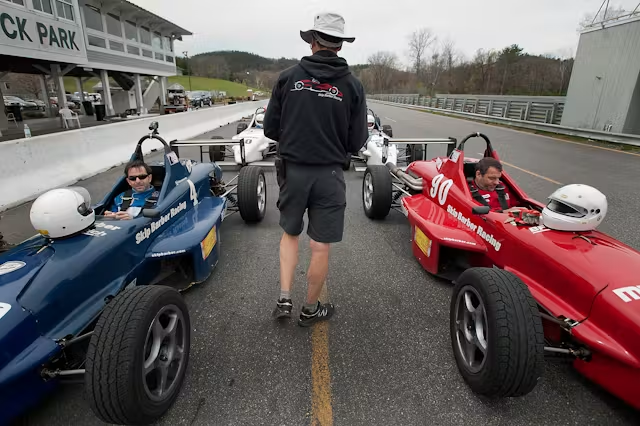
Racecraft develops through repetition and analysis.
Drivers improve by:
- Studying race footage
- Reviewing data
- Practicing race scenarios
- Learning from mistakes
- Competing against stronger opponents
Every battle provides information that helps a driver become smarter and more effective.
Why Racecraft Separates Champions From Competitors
Many drivers can set fast lap times. Fewer can consistently make the right decisions during intense competition.
Championship-level drivers combine:
- Speed
- Awareness
- Patience
- Precision
- Strategic thinking
They know when to attack, when to defend, and when to wait for the perfect opportunity.
Racecraft is the skill that transforms a fast driver into a complete racer. It is the difference between simply driving quickly and truly understanding how to win.