
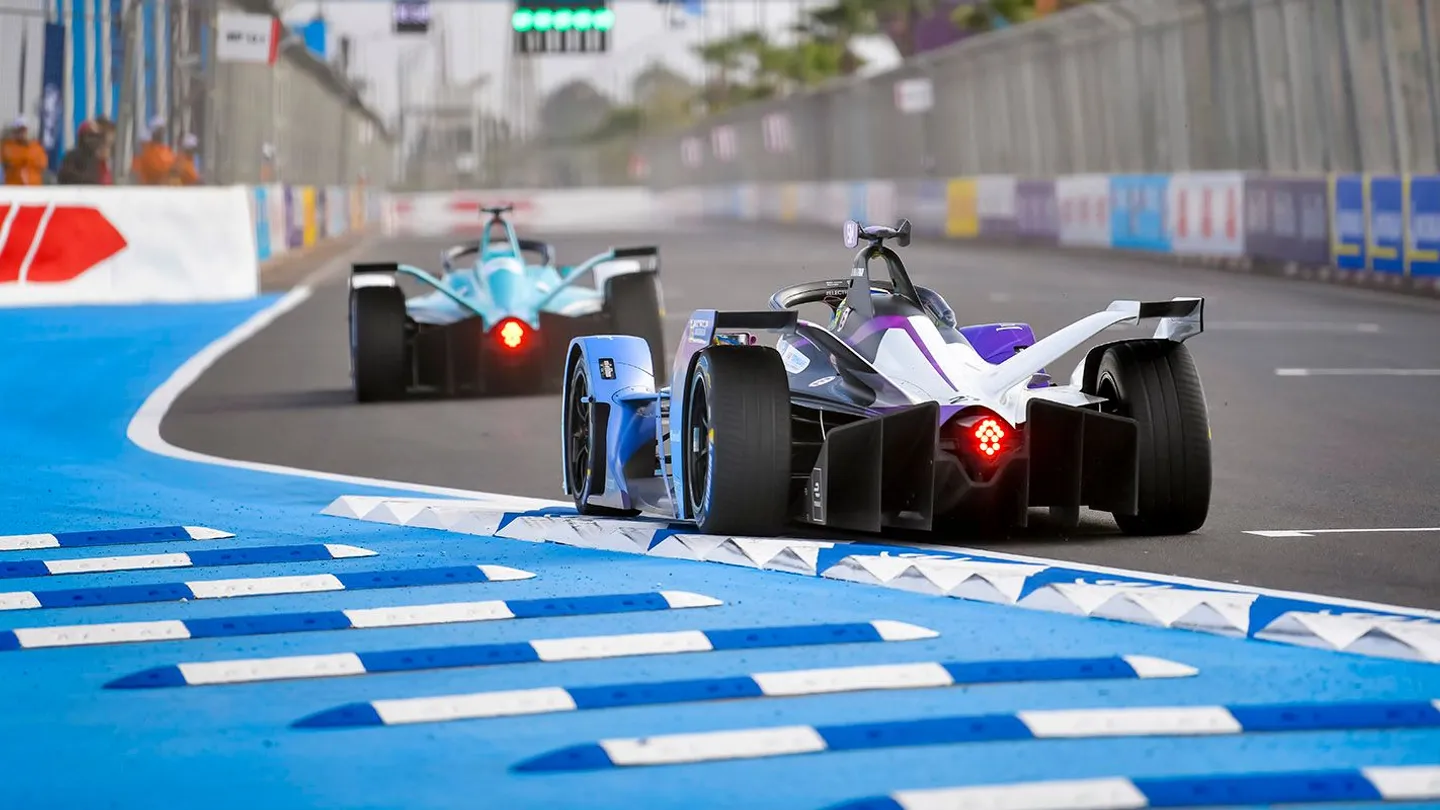
Formula E racing is not simply a battle to see which driver can complete the fastest lap. Unlike traditional motorsport, where teams often focus on maximizing engine power and tire performance, electric racing introduces a completely different challenge: managing limited energy while maintaining competitive speed.
Every Formula E race is a strategic puzzle. Drivers and teams must constantly decide when to attack, when to conserve power, and how to use available energy at the most important moments. A victory is often decided not by who is fastest at the beginning of the race, but by who manages the complex balance between performance and efficiency until the final lap.
Behind every overtake and every podium finish is a detailed strategy built around data, technology, and split-second decisions.
The Core Challenge: Racing With Limited Energy
In traditional racing, teams can refuel or rely on large fuel reserves. Formula E requires a different approach because drivers must complete the race using a carefully managed amount of electrical energy.
The goal is simple:
Use enough energy to be fast, but save enough energy to remain competitive until the finish.
This creates a unique style of racing where drivers are constantly balancing:
- Maximum acceleration
- Battery consumption
- Energy recovery
- Race position
- Attack opportunities
A driver who pushes too aggressively early may have a performance advantage for a few laps but struggle later. A driver who manages energy effectively can gain positions when competitors begin losing performance.
How Teams Manage Energy During a Race
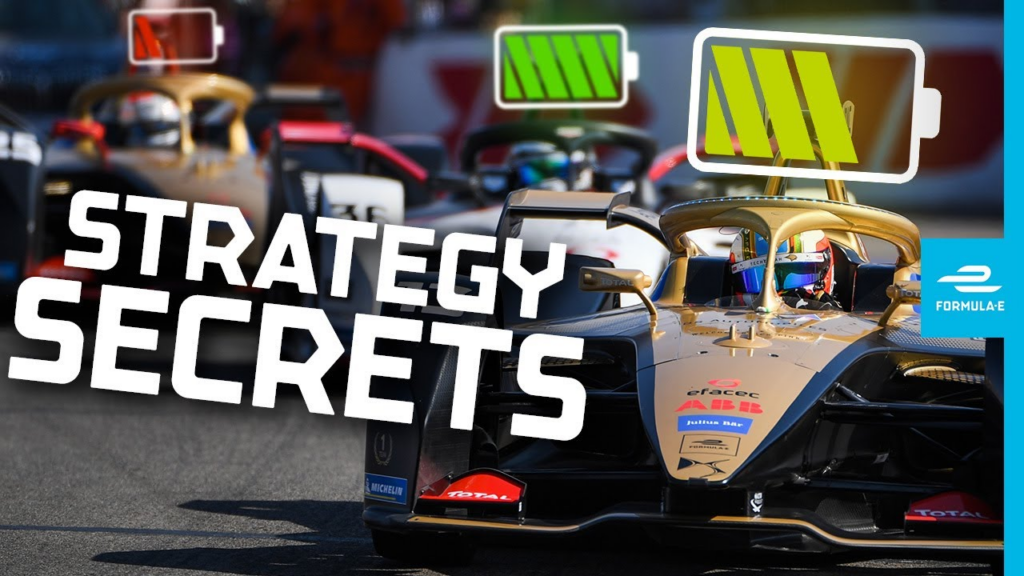
Energy management begins long before the race starts. Engineers analyze simulations, weather conditions, track layouts, and previous data to create an energy strategy.
Teams consider factors such as:
- Number of corners
- Length of straights
- Overtaking opportunities
- Tire degradation
- Temperature conditions
- Expected race pace
Every circuit creates a different challenge. A track with many acceleration zones may require careful energy conservation, while a circuit with long straights may reward efficient power usage.
The Role of Data Analysis
Formula E teams rely heavily on real-time data. Engineers monitor information from the car and use it to guide decisions throughout the race.
They analyze:
- Battery percentage
- Energy consumption rate
- Regeneration levels
- Driver performance
- Competitor strategies
This information allows teams to adjust their approach during the race instead of relying only on pre-race predictions.
Regenerative Braking: Turning Speed Into Energy
One of the most important technologies in Formula E is regenerative braking.
Instead of wasting all braking energy as heat, electric motors can recover some of that energy and return it to the battery.
This creates an additional strategic element because braking becomes part of energy management.
Drivers must balance:
- Entering corners quickly
- Recovering energy efficiently
- Maintaining tire performance
- Preparing for attacks and defenses
A driver who understands regeneration can gain an advantage by recovering energy without losing too much speed.
Attack Mode: The Tactical Weapon of Formula E
One of Formula E’s most recognizable strategic features is Attack Mode. It gives drivers access to additional power for a limited period, but using it requires careful planning.
Activating Attack Mode is not simply about gaining speed immediately. Drivers must decide the perfect moment to use it.
A team may choose Attack Mode to:
- Overtake another driver
- Defend against pressure
- Create a gap
- Recover lost positions
- Respond to competitor strategies
Using it too early can leave a driver vulnerable later. Waiting too long may mean missing the opportunity to gain an advantage.
Timing Is Everything
The best drivers and strategists understand that Attack Mode is a tool, not an automatic advantage.
A driver must consider:
- Current track position
- Remaining race distance
- Energy levels
- Nearby competitors
- Possible safety interruptions
A well-timed activation can completely change the outcome of a race.
The Strategy Battle Between Drivers and Teams
Formula E strategy is a constant conversation between the driver and the pit wall.
While the driver experiences the race directly, strategists analyze the bigger picture.
Teams must answer questions such as:
- Should the driver attack now or wait?
- Is it better to defend position or save energy?
- When should extra power be used?
- How aggressively should the driver recover energy?
These decisions often happen within seconds.
Defensive Driving and Energy Conservation
Formula E drivers must think beyond simply passing competitors. Sometimes the best strategy is protecting a position rather than chasing another car.
Defensive energy management can involve:
- Controlling race pace
- Choosing efficient racing lines
- Avoiding unnecessary battles
- Saving energy for the final laps
A driver who appears slower may actually be following a carefully planned strategy.
The Final Laps: Where Strategy Becomes Reality
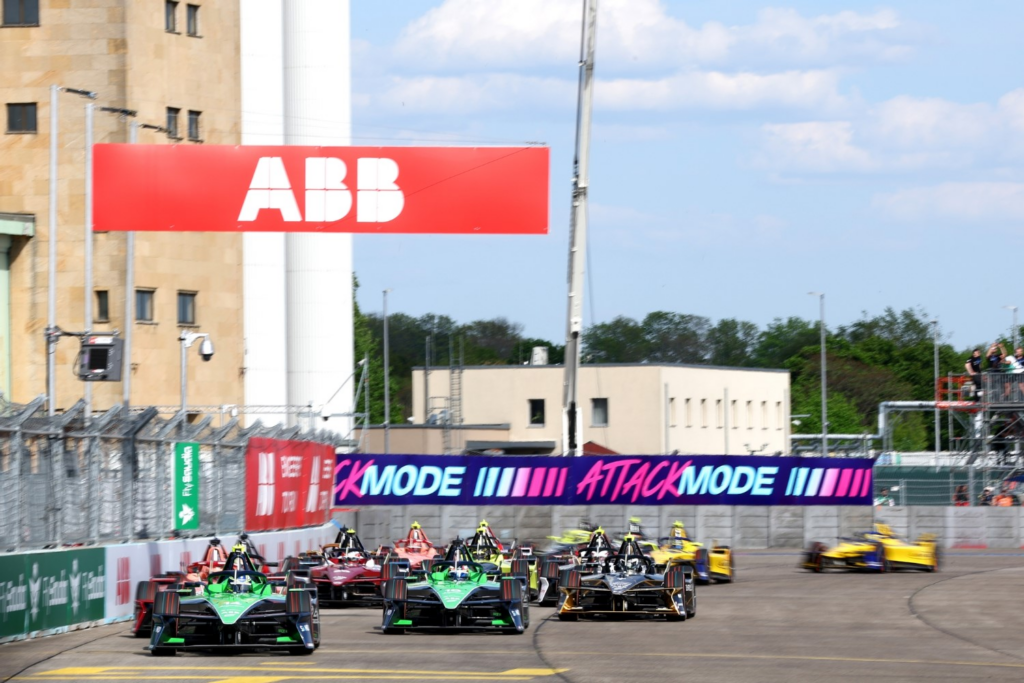
Many Formula E races are decided near the finish because energy differences become more important.
Drivers who managed their resources effectively may suddenly have an advantage.
The final laps often involve:
- Aggressive overtaking attempts
- Energy-saving tactics
- Tire management decisions
- Close strategic battles
The driver with the best plan is often the one who has the most options when the pressure increases.
The Importance of Communication
Successful Formula E teams depend on constant communication between drivers and engineers.
The driver provides information about:
- Track conditions
- Competitor behavior
- Car balance
- Energy usage
Engineers provide guidance about:
- Race calculations
- Strategic opportunities
- Energy targets
- Competitor analysis
This partnership allows teams to make informed decisions in a rapidly changing environment.
Software and Technology: The Hidden Advantage
Formula E is not only a competition between drivers. It is also a competition between engineering departments.
Software plays a major role in improving performance by helping teams understand:
- How efficiently energy is being used
- When regeneration is most effective
- How driving styles affect consumption
- How to optimize race strategies
The ability to analyze and interpret data can provide a significant competitive advantage.
The Unique Mindset of a Formula E Driver
Driving in Formula E requires a different mindset from many other racing categories.
A driver must be aggressive enough to fight for positions but disciplined enough to protect energy.
Successful Formula E drivers develop:
- Patience
- Strategic awareness
- Technical understanding
- Adaptability
- Precision
The fastest driver on one lap is not always the driver who wins the race. The winner is usually the one who understands the complete challenge.
Why Formula E Strategy Represents the Future of Racing
Formula E demonstrates how motorsport is evolving. The competition is no longer only about mechanical power. It is about efficiency, intelligence, software, and decision-making.
The championship highlights technologies and skills that are becoming increasingly important in the automotive world.
Electric racing proves that innovation can create a new type of competition — one where success depends on using resources smarter, not simply using more.
Conclusion: The Race Is Won Before the Finish Line
Inside every Formula E victory is a carefully calculated strategy. Energy management, Attack Mode timing, software analysis, and driver decisions all combine to determine the final result.
The excitement of Formula E comes from the uncertainty. A driver may not always lead from the first lap, but a smart strategy can create opportunities when they matter most.
In electric racing, winning is not just about going faster. It is about knowing exactly when to use speed.