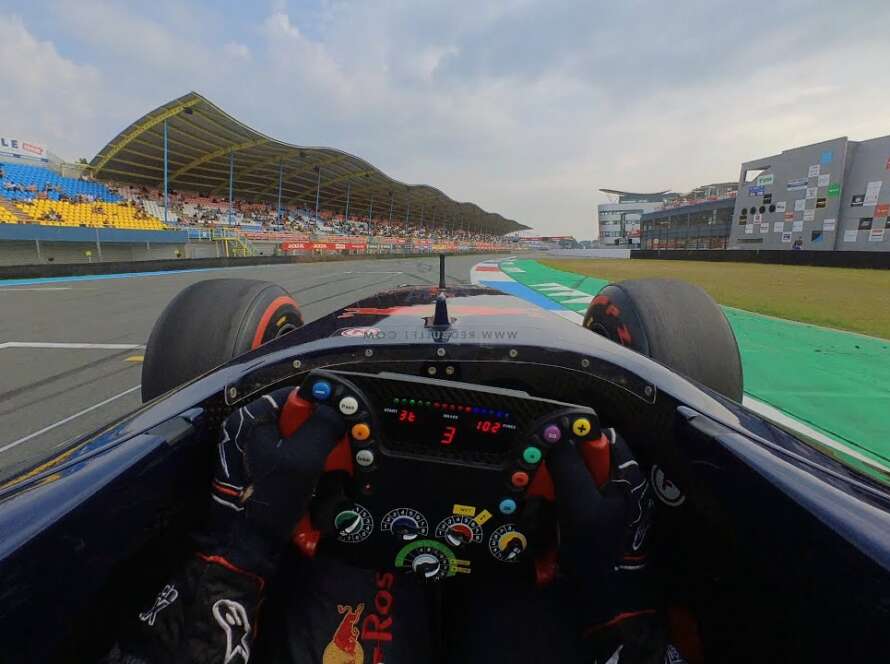

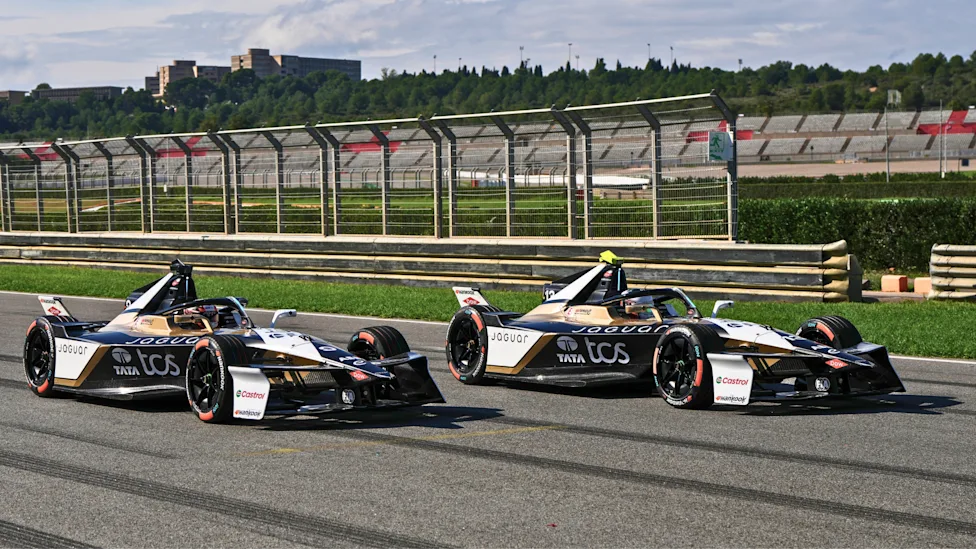
Motorsport has always been associated with roaring engines, fuel-powered machines, and the pursuit of mechanical performance. However, a new era of racing has introduced a different vision of speed — one powered by electricity.
Formula E has transformed the way people think about racing by combining high-performance competition with electric vehicle technology. Instead of focusing only on engine power, the championship highlights efficiency, energy management, software development, and innovation.
Behind the quiet acceleration of an electric race car is a complex world of engineering, strategy, and competition. Formula E is not simply a different type of motorsport; it represents a glimpse into the future of mobility.
What Is Formula E?
Formula E is a global electric racing championship featuring fully electric single-seater race cars competing on temporary street circuits and purpose-built tracks.
The series was created to demonstrate the potential of electric technology while providing manufacturers with a competitive environment to develop new solutions.
Unlike traditional motorsport categories that focus heavily on engine performance, Formula E emphasizes:
- Battery efficiency
- Energy management
- Software optimization
- Regenerative braking
- Driver strategy
The result is a form of racing where intelligence and efficiency are just as important as outright speed.
The Technology Behind Formula E Cars
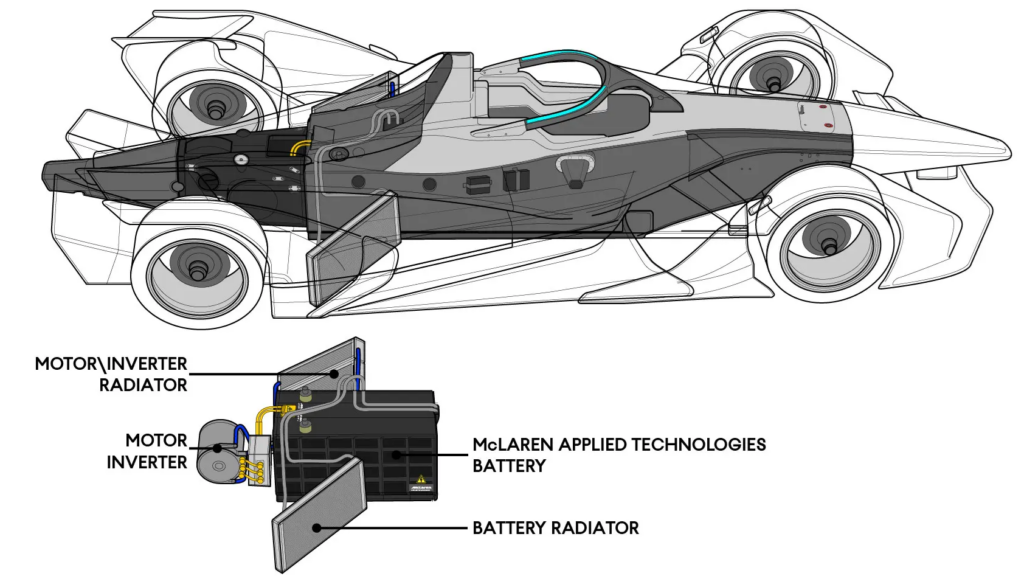
At the center of every Formula E car is its electric powertrain. Instead of a traditional combustion engine, these cars use an electric motor powered by a high-performance battery system.
Electric Powertrain
The electric motor delivers instant torque, meaning drivers receive immediate acceleration when they apply power.
Key components include:
- Electric motor
- Battery system
- Inverter
- Energy management software
- Regenerative braking system
Together, these systems create a racing machine capable of delivering impressive performance while operating with completely different principles from traditional race cars.
The Importance of the Battery
The battery is one of the most important parts of an electric race car. Unlike fuel-powered vehicles, teams cannot simply refill the tank during a race.
Drivers and engineers must carefully manage available energy throughout the competition.
Battery performance depends on factors such as:
- Temperature
- Driving style
- Track conditions
- Energy recovery
- Race strategy
Managing power usage becomes a central part of winning.
How Formula E Racing Works
Formula E race weekends have a unique structure compared with many traditional motorsport championships.
A typical event includes:
- Practice sessions
- Qualifying sessions
- The main race
- Post-race analysis
The championship often takes place on street circuits located in major cities, bringing electric racing directly to urban environments.
Qualifying Format
Formula E qualifying is designed to create competitive opportunities between drivers.
Drivers compete through different stages, with leading performers advancing toward the final qualifying battles.
Starting position is especially important because street circuits can make overtaking difficult.
The Strategy Battle: Why Energy Management Matters
In traditional racing, the fastest car often has a strong advantage. In Formula E, the fastest car is not always the winner.
Drivers must balance speed with efficiency.
Important strategic decisions include:
- When to use maximum power
- When to conserve energy
- How aggressively to recover energy
- When to attack competitors
- How to manage tire performance
A driver who uses too much energy early may struggle during the final laps.
Regenerative Braking: Turning Speed Into Energy
One of Formula E’s most interesting technologies is regenerative braking.
When drivers slow the car, the electric motor can work in reverse to recover energy and send it back to the battery.
This creates a unique challenge because braking is not only about reducing speed — it is also about improving efficiency.
Drivers must learn how to balance:
- Traditional braking
- Energy recovery
- Corner entry speed
- Battery management
This requires a completely different driving approach.
Attack Mode and Race Tactics
Formula E includes unique strategic elements designed to encourage competition and create opportunities for drivers.
One example is a temporary performance boost that allows drivers to access additional power when they activate it correctly.
Using these advantages requires careful timing.
A driver may choose to activate extra power:
- To defend a position
- To attempt an overtake
- To create a gap from competitors
- To respond to another driver’s strategy
The decision can influence the entire race outcome.
The Challenges of Electric Racing
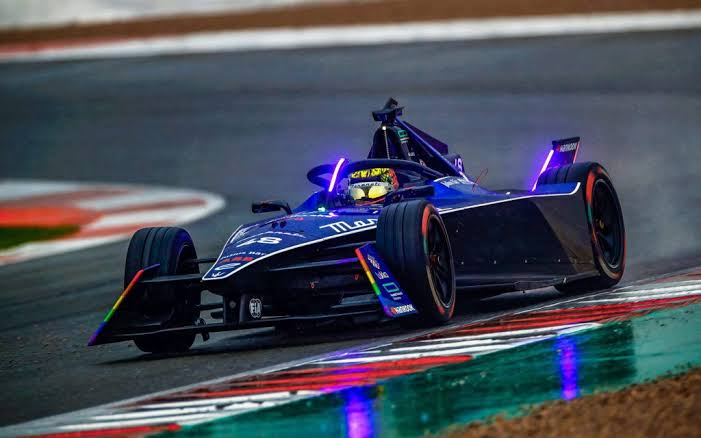
Electric racing presents challenges that are very different from traditional motorsport.
Managing Heat
Electric systems generate significant heat, especially during intense competition.
Teams must carefully manage:
- Battery temperature
- Motor temperature
- Electronic systems
Keeping components within the ideal operating range is essential for performance and reliability.
Balancing Performance and Efficiency
A racing driver always wants maximum speed, but Formula E requires careful compromise.
More aggressive driving may produce faster lap times but consume more energy. More efficient driving may preserve energy but reduce immediate performance.
Finding the perfect balance is one of the greatest challenges in electric racing.
The Role of Software in Formula E
Modern Formula E is not only a mechanical competition. Software plays a major role in performance.
Engineers analyze data and develop systems that improve:
- Energy usage
- Power delivery
- Regeneration efficiency
- Vehicle performance
In many ways, Formula E is a race between engineering teams as much as it is between drivers.
Software development has become one of the most important areas of competition.
How Formula E Is Changing Motorsport
Formula E has expanded the definition of what racing can be.
Instead of focusing only on faster engines, the championship highlights innovation in areas that affect everyday vehicles.
Technologies developed through electric racing can influence:
- Battery improvements
- Electric vehicle efficiency
- Energy management systems
- Charging technology
Motorsport has always been a testing ground for innovation, and Formula E continues that tradition in a new direction.
The Future of Electric Racing
As electric vehicles become more common around the world, Formula E provides a platform for manufacturers and engineers to develop new ideas.
Future improvements may involve:
- More efficient batteries
- Faster charging solutions
- Advanced artificial intelligence systems
- Improved energy recovery
- Better electric vehicle performance
The lessons learned on the racetrack can help shape the next generation of road cars.
Why Formula E Matters
Formula E represents a major shift in motorsport philosophy. It proves that racing does not need traditional engines to deliver excitement, competition, and technological progress.
The championship combines:
- High-speed competition
- Advanced engineering
- Strategic racing
- Sustainable technology
While the sound of electric cars may be different from traditional race machines, the competition remains intense.
Formula E shows that the future of motorsport is not about leaving racing behind — it is about evolving it. The next generation of racing will be defined not only by speed, but by innovation, efficiency, and the ability to push technology beyond its limits.